
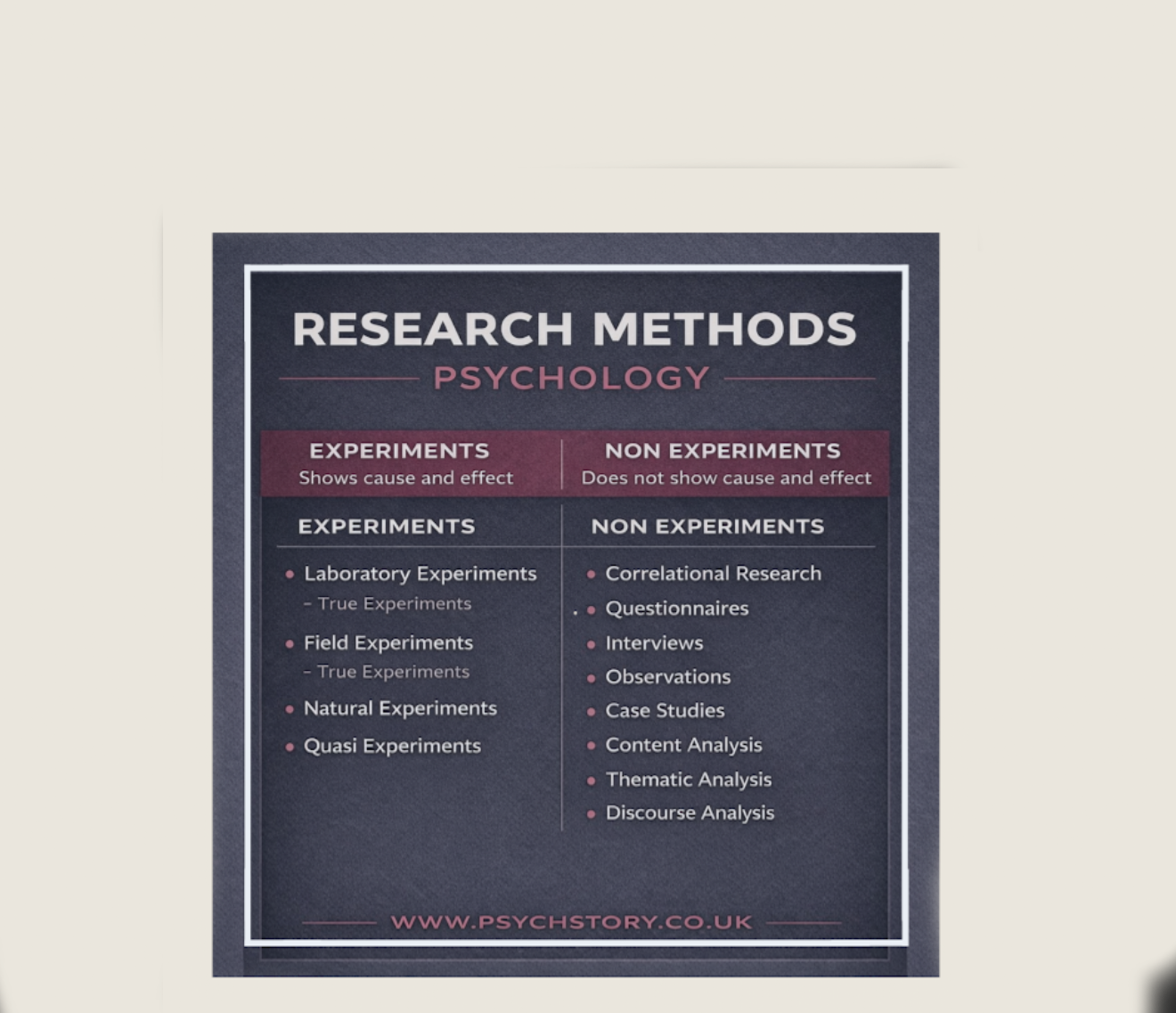
RESEARCH METHODS ASSESSMENT
A complete guide to assessing research methods and statistics: data analysis, designing experiments, writing research reports, and “What is science?” exam answers

THE EXPERIMENTAL METHOD
The experimental method is the gold standard for establishing causality in psychology. This page covers true experiments, types (laboratory, field, natural, quasi), experimental designs, and the research process. Aligned with AQA, Edexcel and OCR specifications.
LABORATORY EXPERIMENTS
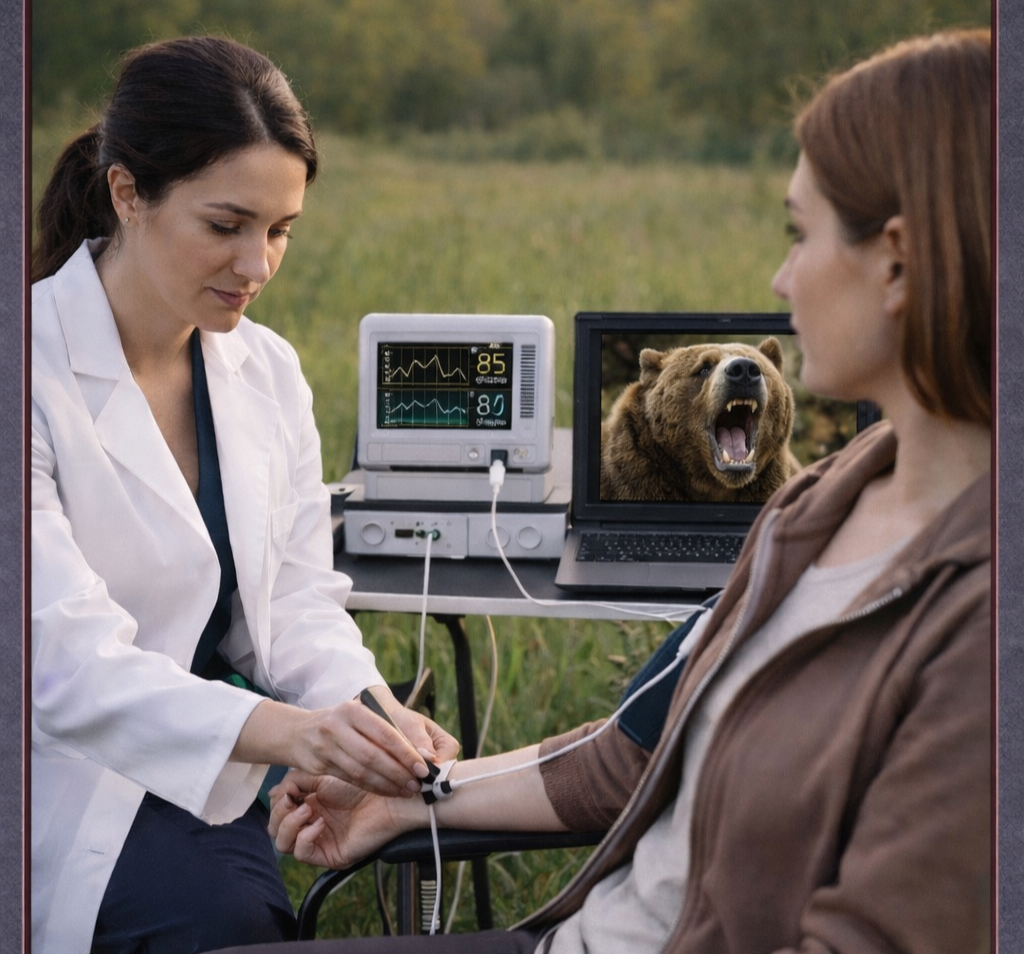
Laboratory experiments in psychology involve controlled settings to manipulate independent variables and measure dependent variables. This post covers definition, procedure, advantages (high control, causality, replicability), limitations (artificiality, demand characteristics, low ecological validity), ethical issues, and examples suitable for undergraduate, A-level and IB study. Full AO1, AO2, AO3 coverage.

FIELD EXPERIMENTS
Field experiments in psychology are conducted in natural settings where researchers manipulate the independent variable while measuring the dependent variable. This post examines the definition, procedure, advantages (high ecological validity, authentic behaviour), limitations (lack of control, replication difficulties), ethical issues, and examples suitable for undergraduate, A-level and IB study. Full AO1, AO2, AO3 coverage.

NATURAL EXPERIMENTS
Natural Experiments: Exploring Research Where the IV is Not Manipulated and Their Role in Psychology.
QUASI EXPERIMENTS
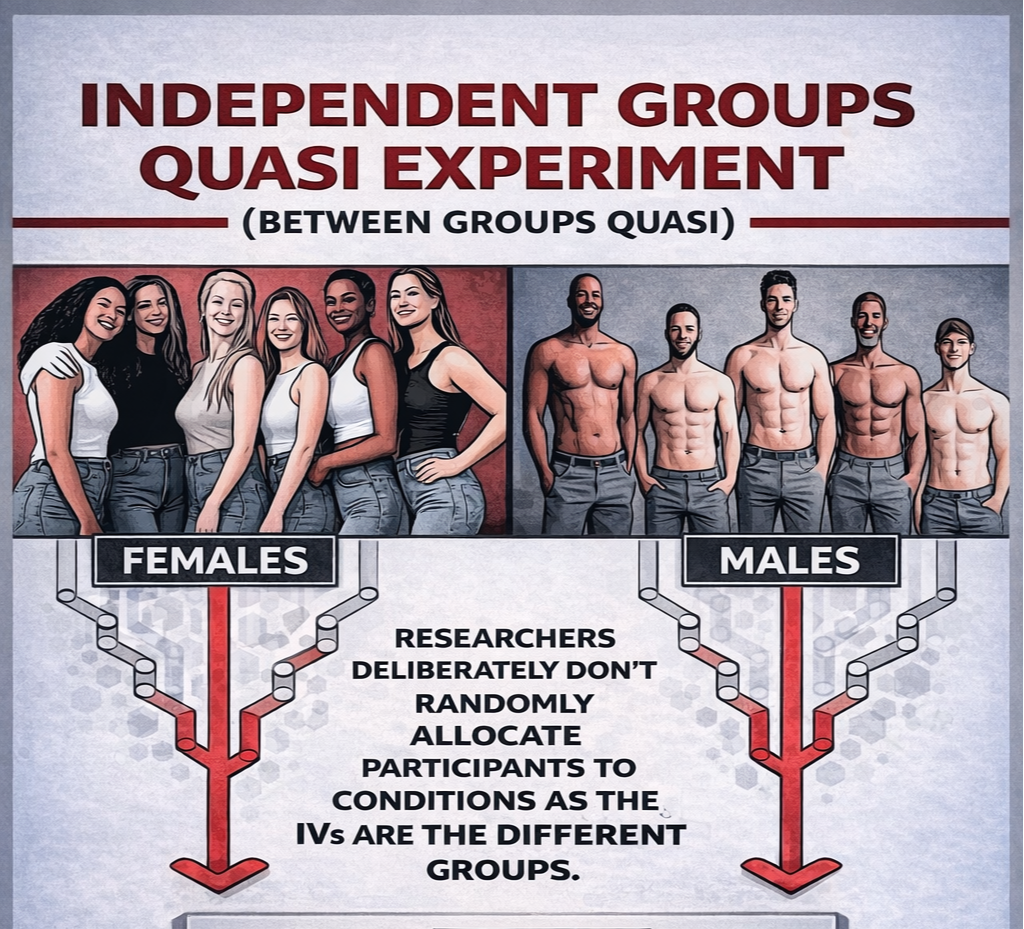
Quasi-experiments in psychology lack random allocation of participants to conditions. This post examines independent groups’ quasi-experiments (between-group quasi-experiments) and non-equivalent quasi designs, including examples of each, the statistical treatment, and their disadvantages. Suitable for A-level, IB, and undergraduate study.
EXPERIMENTAL DESIGNS
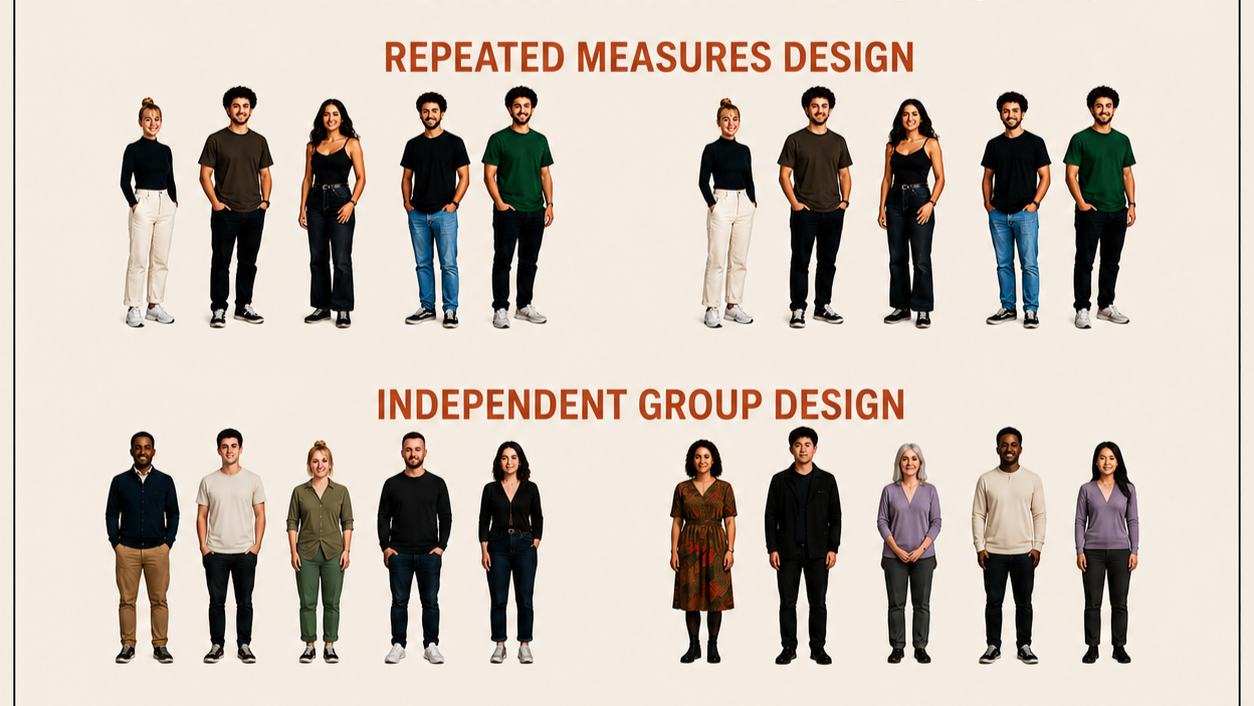
Experimental Designs in Psychology: Matched Pairs, Independent Groups, Repeated Measures, Counterbalancing, and Random Allocation of participants to conditions.

NON-EXPERIMENTS
Non-experimental research methods are used when variables cannot be manipulated, either for practical or ethical reasons. Instead of establishing cause and effect, these methods examine behaviour as it naturally occurs, identifying patterns, relationships, and meanings. Common approaches include correlations, observations, interviews, questionnaires, content analysis, and case studies. While they lack the control required for causal conclusions, they are essential for studying complex, real-world human behaviour and often provide the foundation for further experimental investigation

OBSERVATIONS
Observational Techniques in Psychology: Exploring Types (Naturalistic, Controlled, Covert, Overt, Participant, Non-Participant) and Design Methods (Behavioural Categories, Event Sampling, Time Sampling).

QUESTIONNAIRES & INTERVIEWS
Questionnaire Surveys and Interviews in Psychology: Self-Report Techniques, Structured and Unstructured Formats, and Effective Design with Open and Closed Questions.
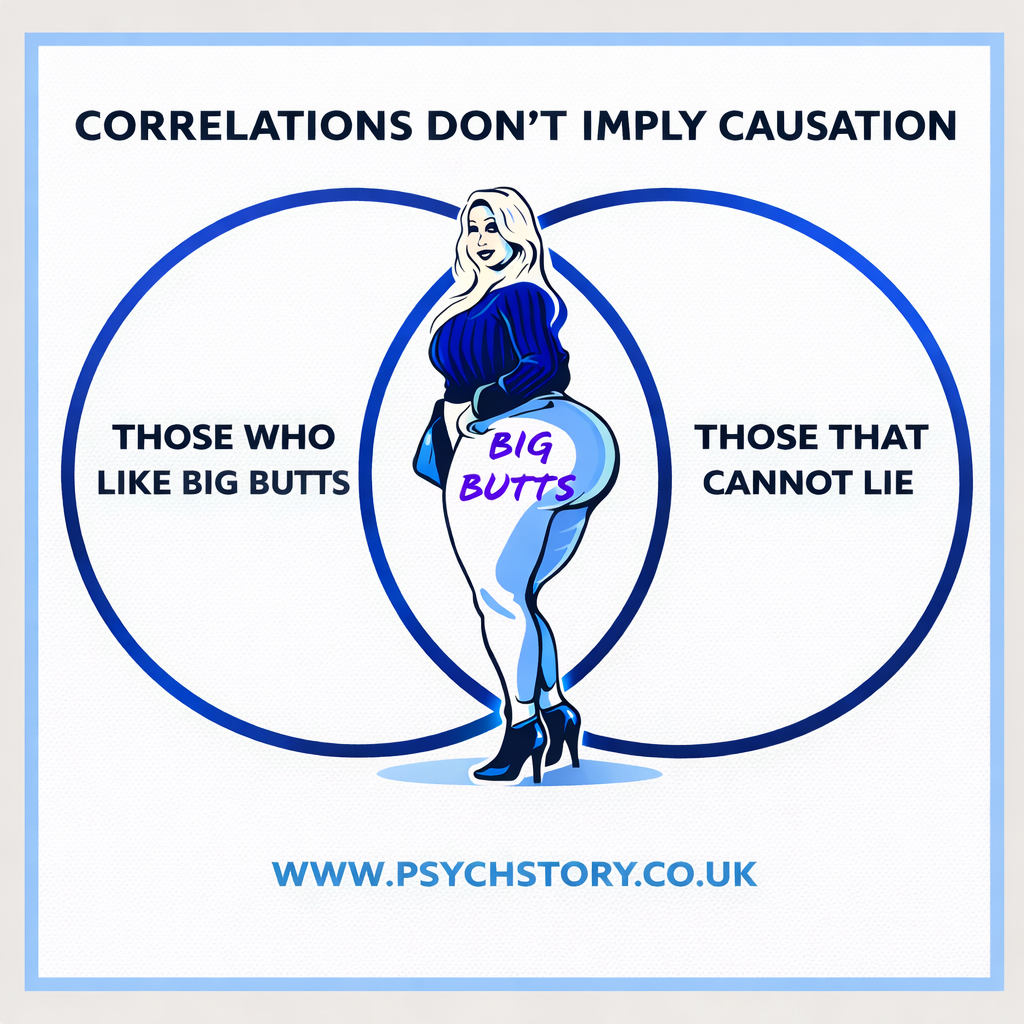
POSITIVE, NEGATIVE AND ZERO CORRELATIONS.
Correlations in Psychology: Exploring Co-Variables, Positive, Negative, and Zero Correlations, Correlation Coefficients, and Their Distinction from Experiments.
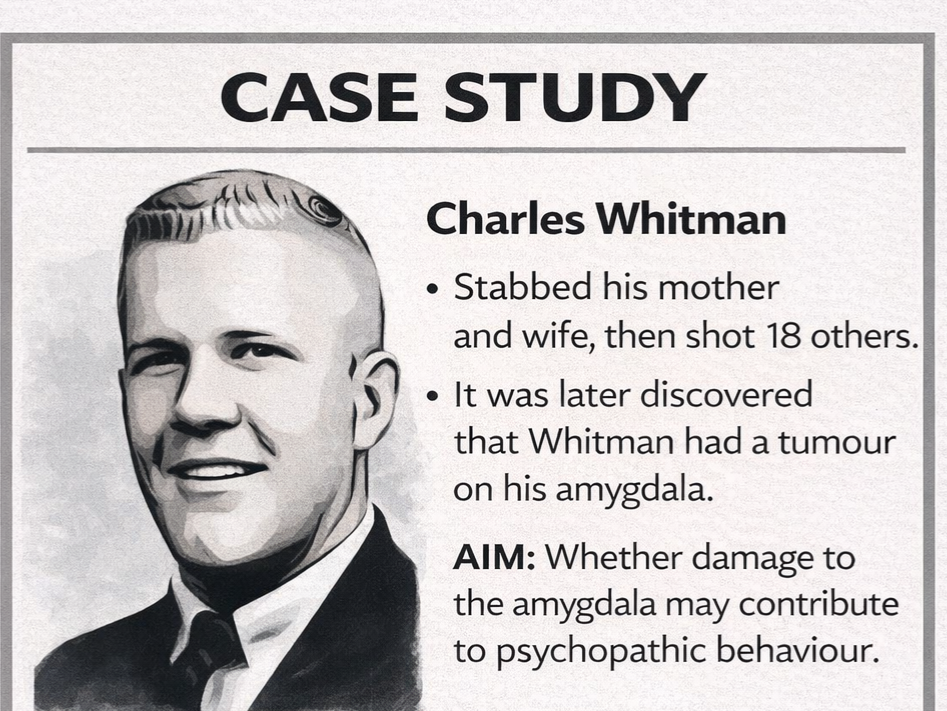
CASE STUDIES
Case Studies in Psychology: In-Depth Exploration of Individuals or Groups in Non-Experimental Research.

CONTENT AND THEMATIC ANALYSIS
Content, Thematic, and Discourse Analysis: Exploring Qualitative Research Methods in Psychology.