
COGNITION AND THINKING
Piaget’s cognitive development: schemas, assimilation, accommodation, equilibration, object permanence, conservation and egocentrism. Vygotsky’s zone of proximal development and scaffolding. Baillargeon’s infant cognition and violation of expectation. Social cognition: Selman, theory of mind, autism, Sally Anne study and mirror neurons.
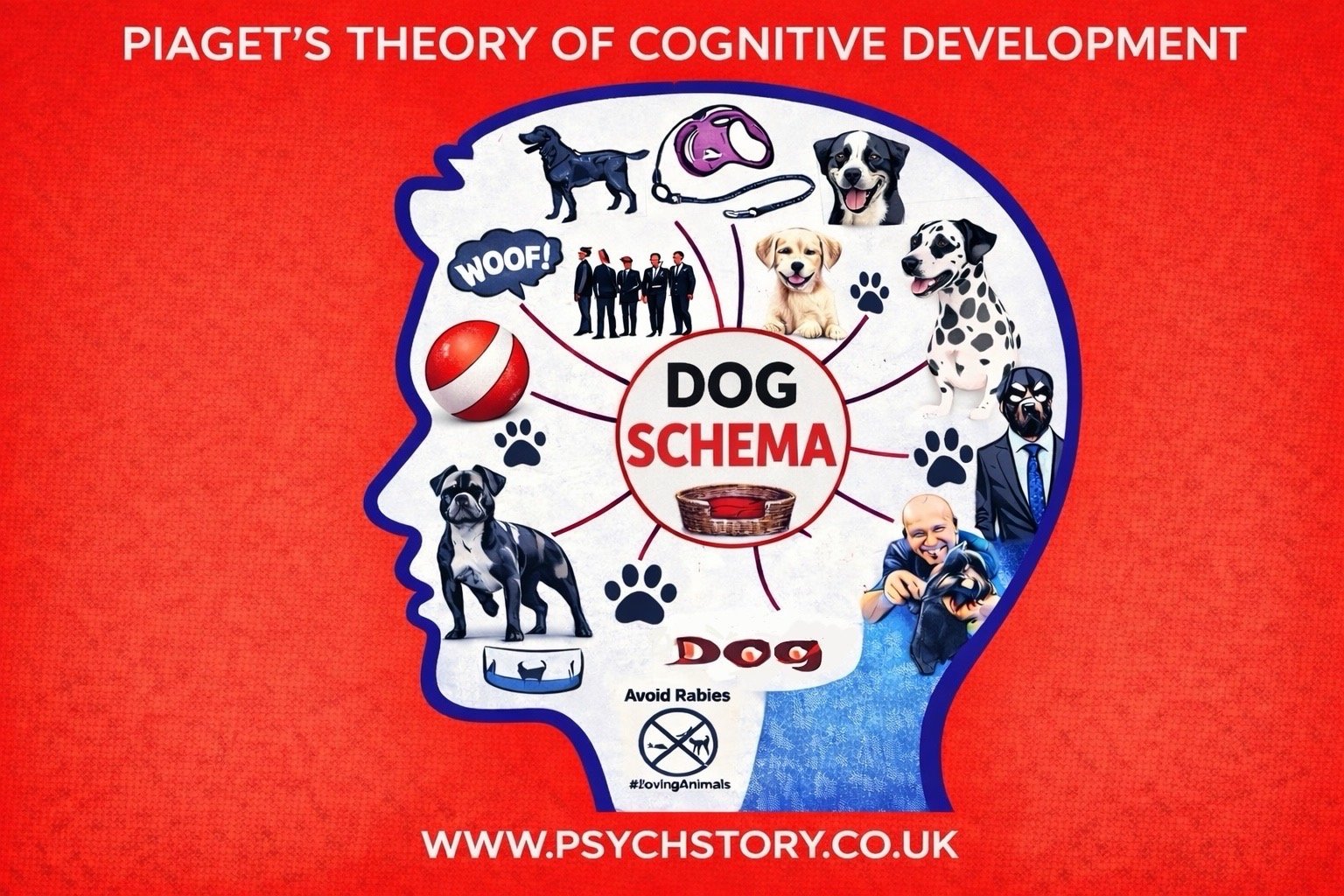
PIAGET’S THEORY OF COGNITIVE DEVELOPMENT
Piaget’s theory of cognitive development explains how children actively construct knowledge as they interact with the world. The theory proposes that thinking develops through stages and involves processes such as schemas, assimilation, accommodation and equilibration, leading to increasingly complex forms of reasoning during childhood.
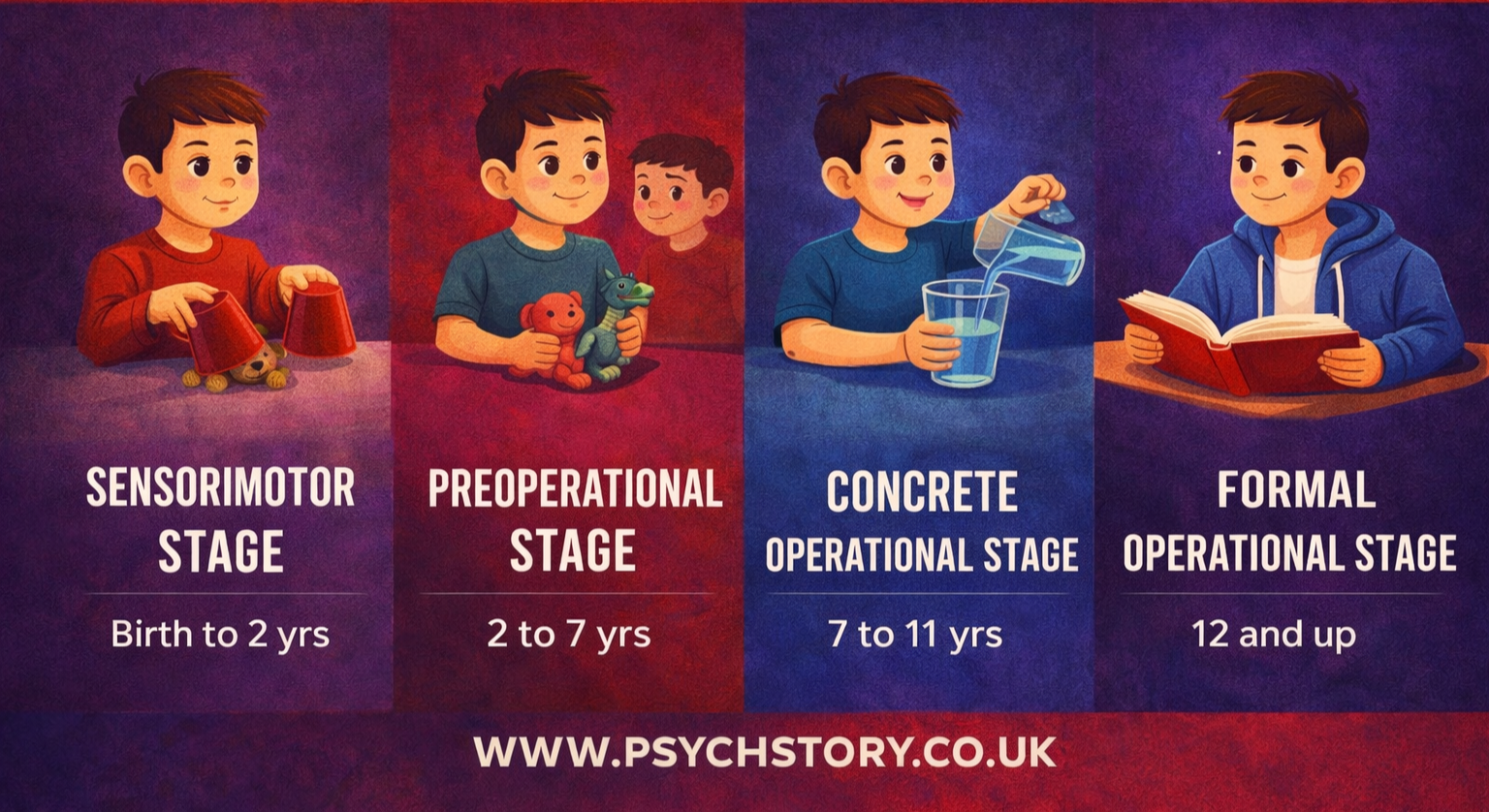
PIAGET’S STAGES OF INTELLECTUAL DEVELOPMENT
Explore Piaget’s theory of cognitive development including schemas, assimilation, accommodation, equilibration and the four stages of intellectual development. Learn about key characteristics such as object permanence, conservation, egocentrism and class inclusion
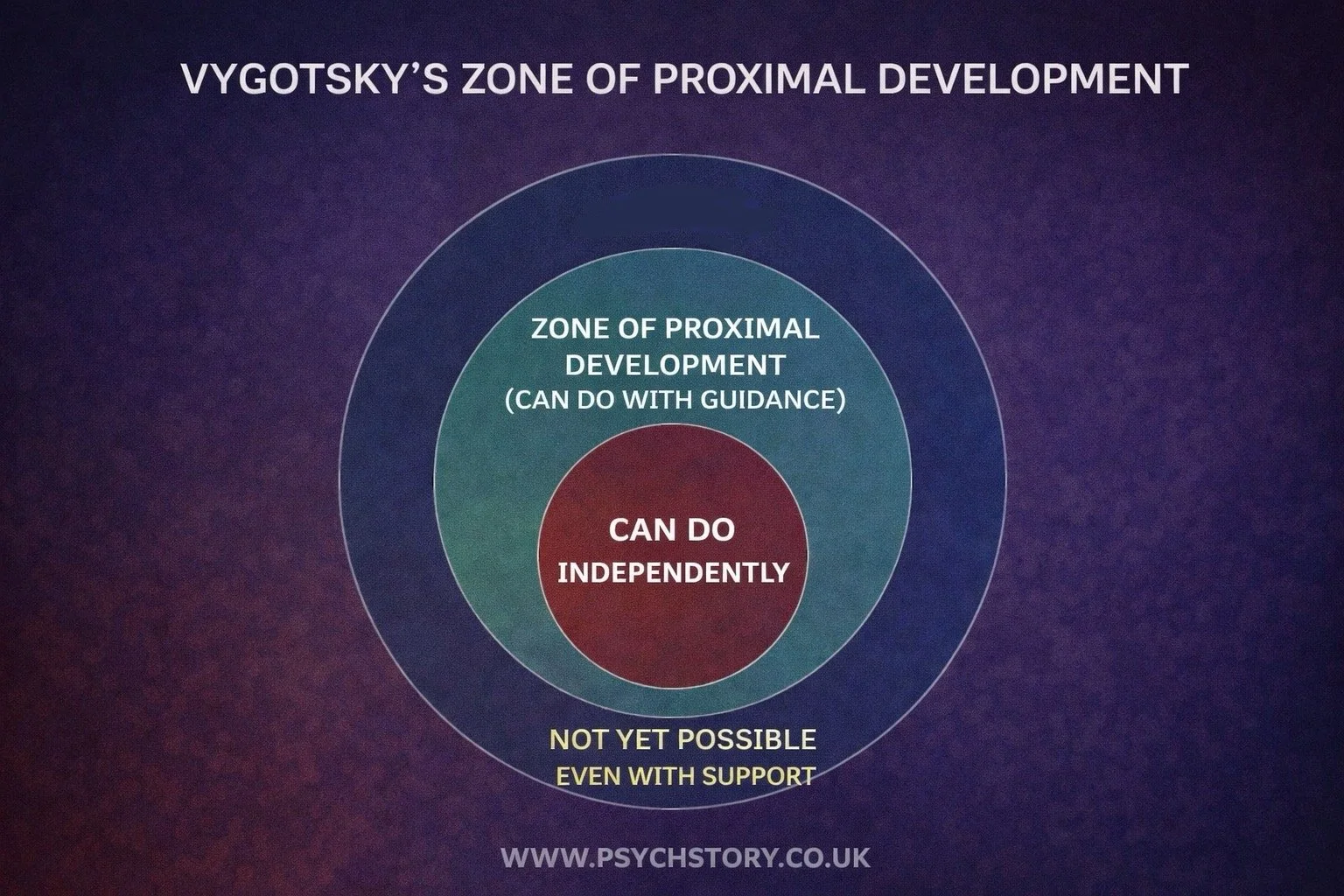
VYGOTSKY’S THEORY OF COGNITIVE DEVELOPMENT
Discover Vygotsky’s sociocultural theory of cognitive development, focusing on the Zone of Proximal Development (ZPD) and the role of scaffolding in learning. Ideal for A-level psychology revision..
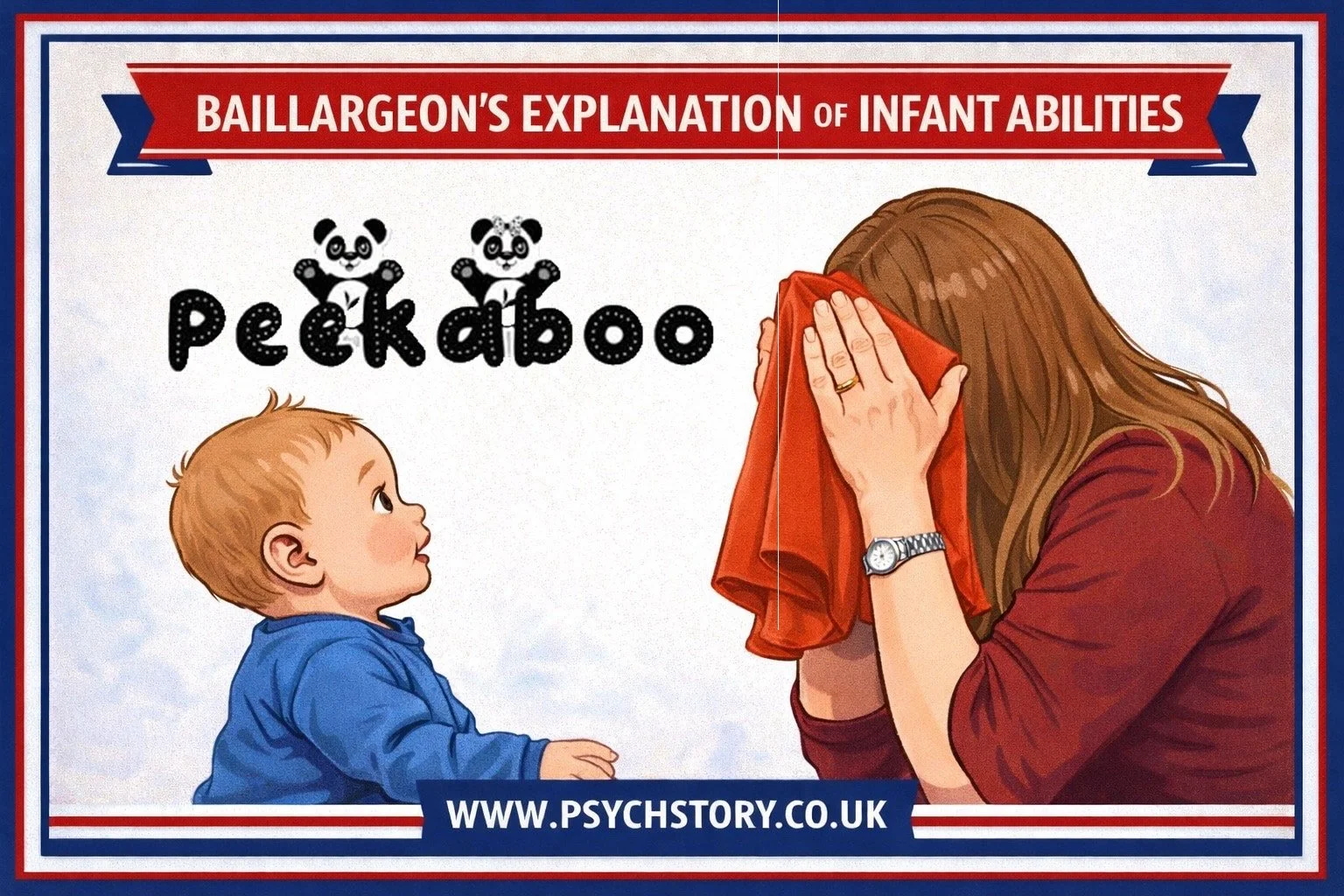
BAILARGEON’S EXPLANATION OF INFANT ABILITIES
Baillargeon’s explanation of early infant abilities proposes that infants have an early understanding of the physical world. Using violation of expectation research, she demonstrated that infants look longer at events that appear impossible, suggesting they already possess basic knowledge about objects, movement and physical properties.

THE DEVELOPMENT OF SOCIAL COGNITION
Comprehensive guide to cognitive development in psychology: Piaget’s stages and schemas, Vygotsky’s Zone of Proximal Development and scaffolding, Baillargeon’s violation of expectation research, and the development of social cognition including Selman’s perspective-taking, theory of mind and the Sally-Anne study
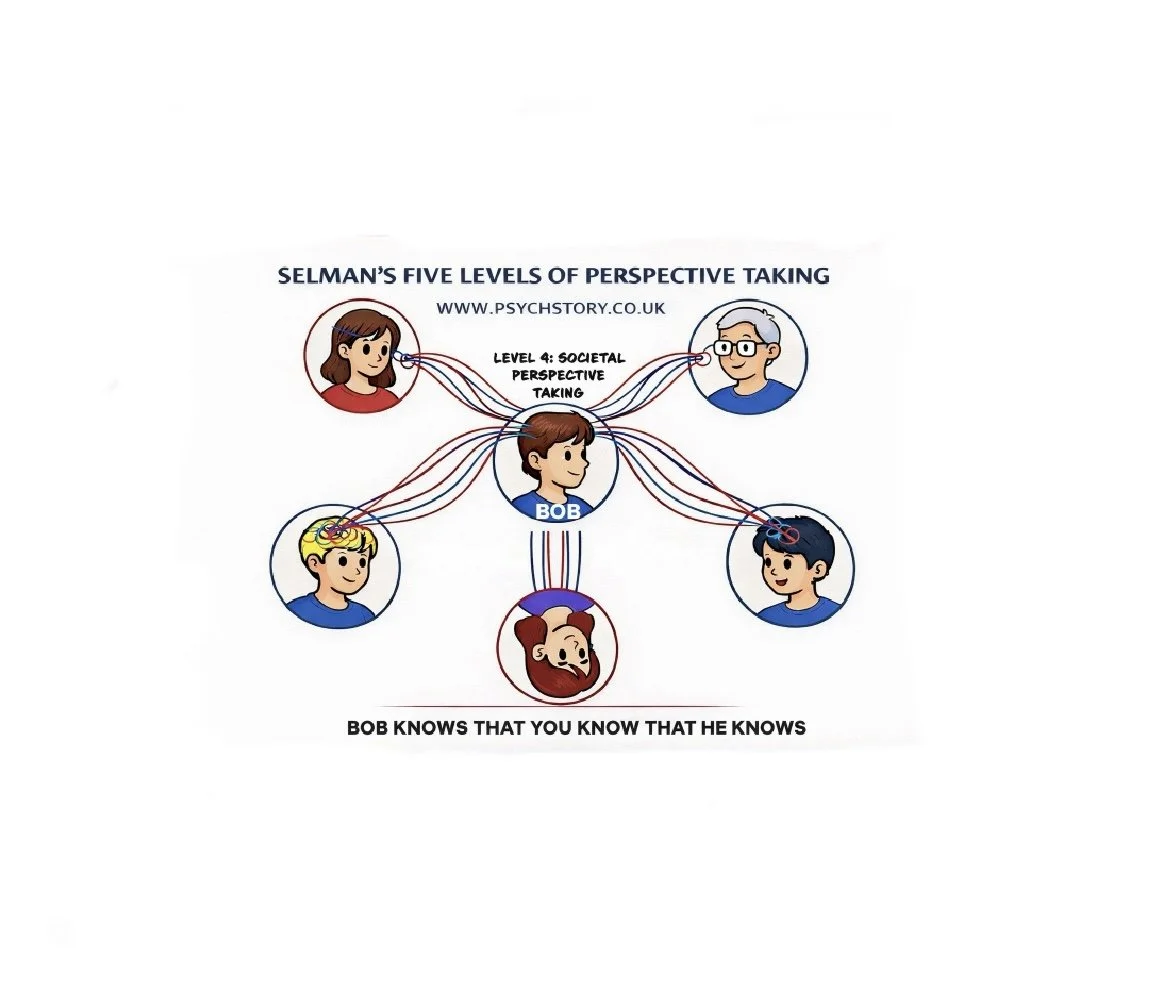
SELMAN’S PERSPECTIVE TAKING
Selman’s five levels of perspective taking explain how children gradually develop the ability to understand other people’s thoughts, feelings and viewpoints. The theory outlines a progression from egocentric thinking to the ability to coordinate multiple perspectives within wider social and cultural contexts, forming a key part of the development of social cognition and theory of mind.
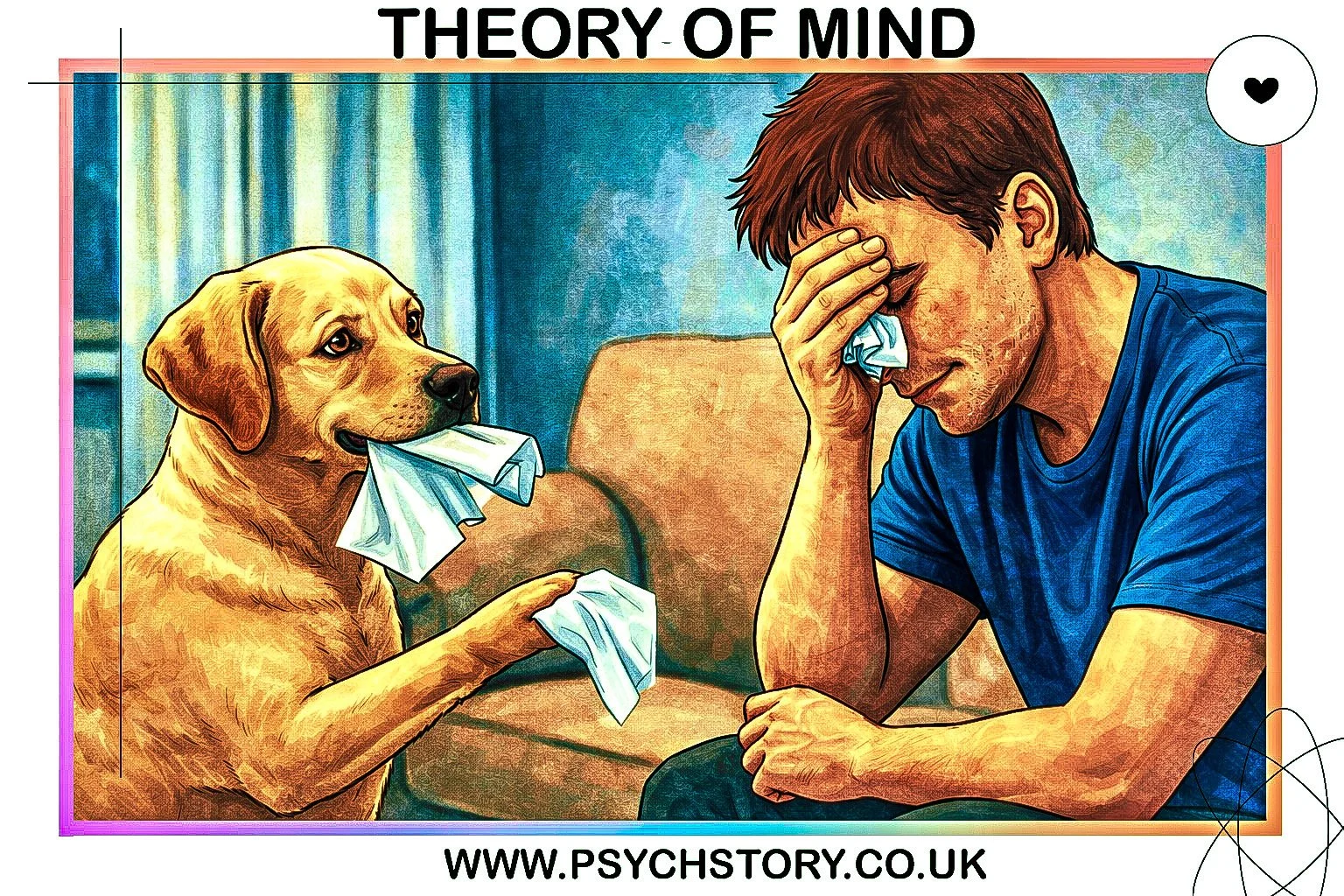
THEORY OF MIND
Theory of mind is the ability to understand that other people have thoughts, beliefs, intentions and perspectives that may differ from one’s own. Difficulties in developing theory of mind have been used to explain some social and communication differences in autism, particularly challenges in interpreting other people’s mental states and predicting their behaviour.
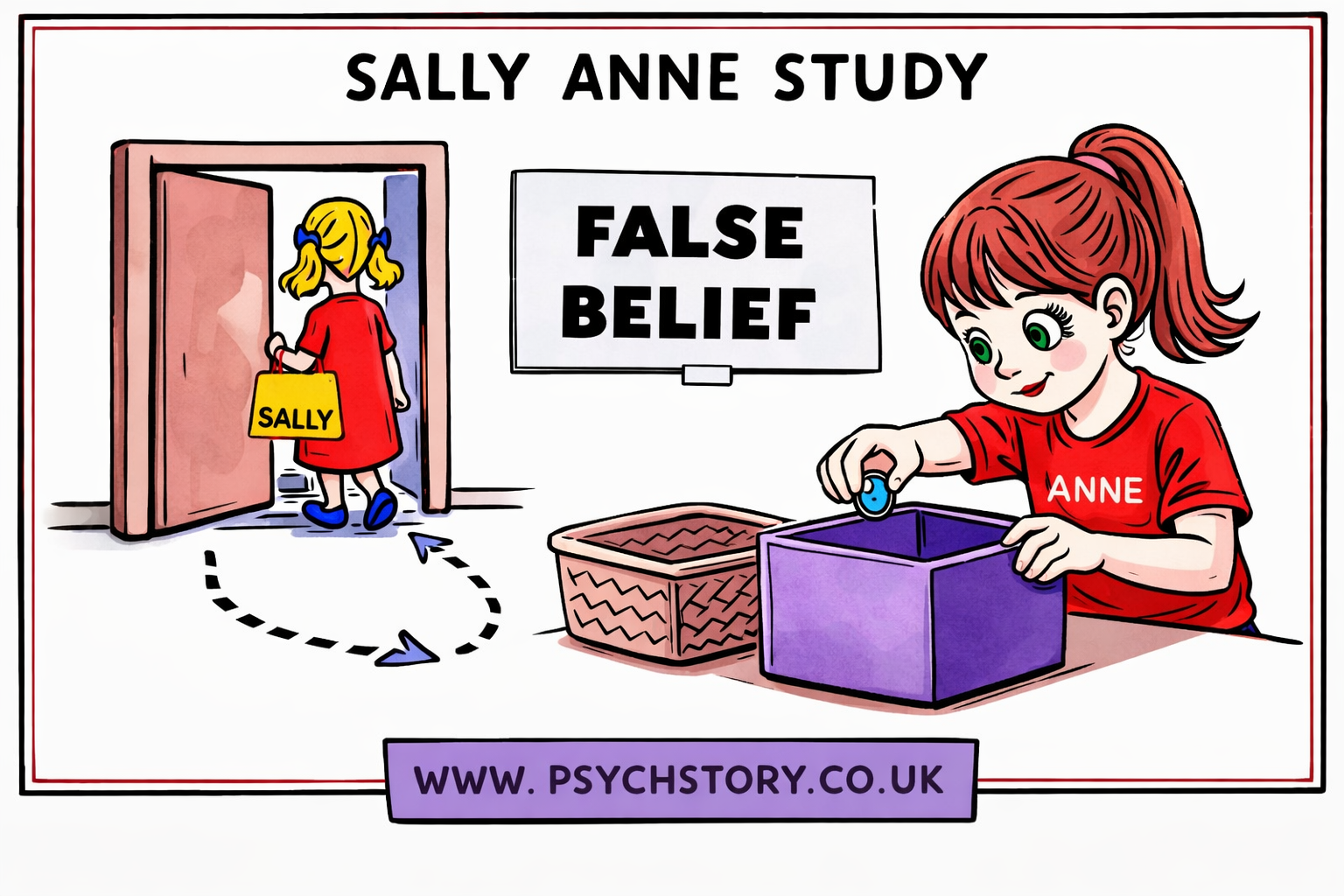
THE SALLY-ANNE STUDY
The Sally Anne study is a classic false belief task used to investigate theory of mind in children. It examines whether a child can understand that another person can hold a belief that is different from reality. The study has been widely used in research on social cognition and has provided important evidence for differences in theory of mind development in autism.
MIRROR NEURONS
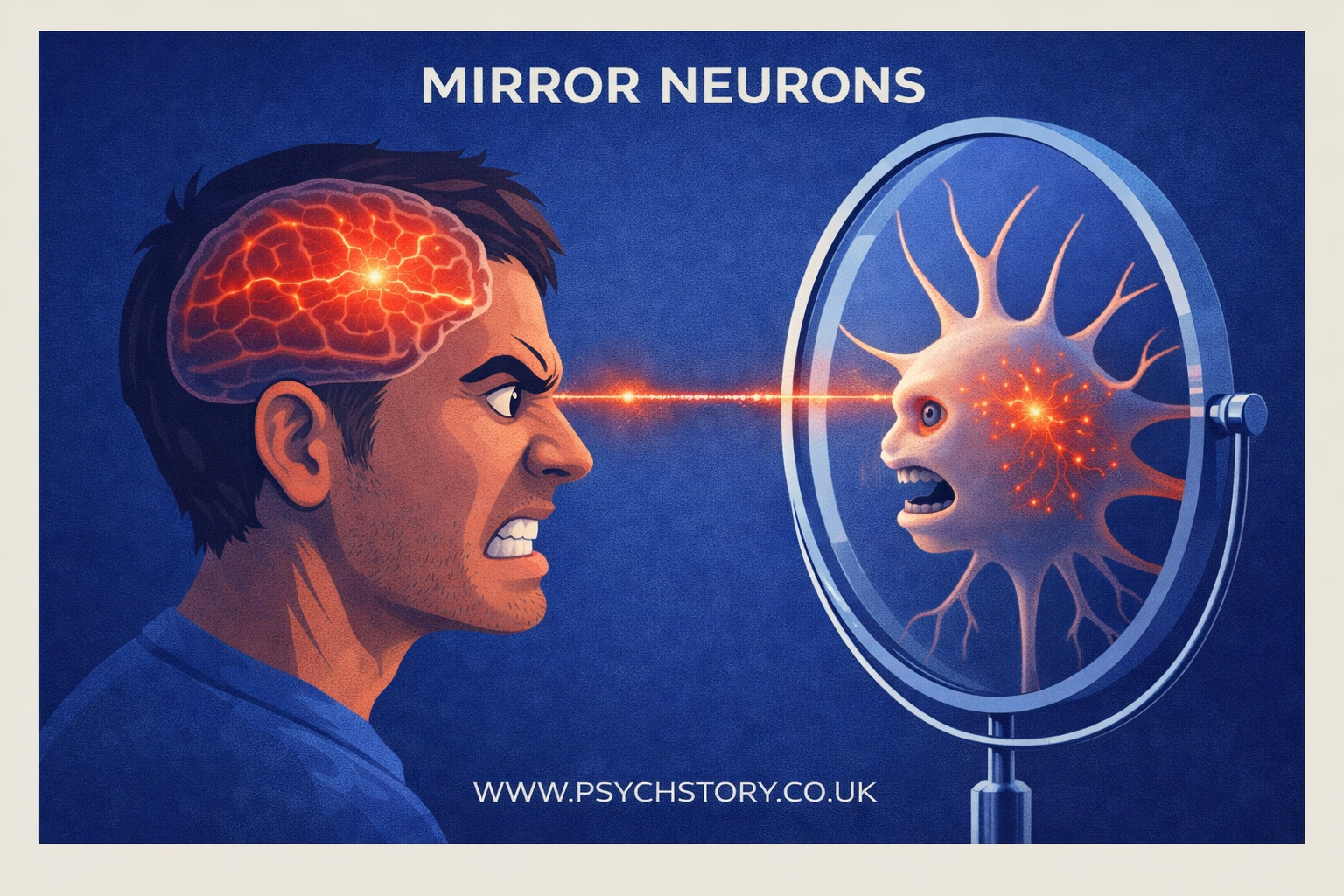
The role of the mirror neuron system in social cognition.Mirror neurons are brain cells that activate both when an individual performs an action and when they observe someone else performing the same action. They are thought to play a role in imitation, empathy and social understanding, and have been proposed as a possible neural mechanism underlying theory of mind and social cognition.