

INTRODUCTION TO DEBATES
Explore key debates in psychology, including gender and cultural bias, free will vs. determinism, and the nature-nurture debate. Understand holism vs. reductionism, the idiographic vs. nomothetic approach, and the ethical implications of research, including social sensitivity. Learn about androcentrism, ethnocentrism, causal explanations, and levels of psychological explanation in this essential guide to psychological investigation.
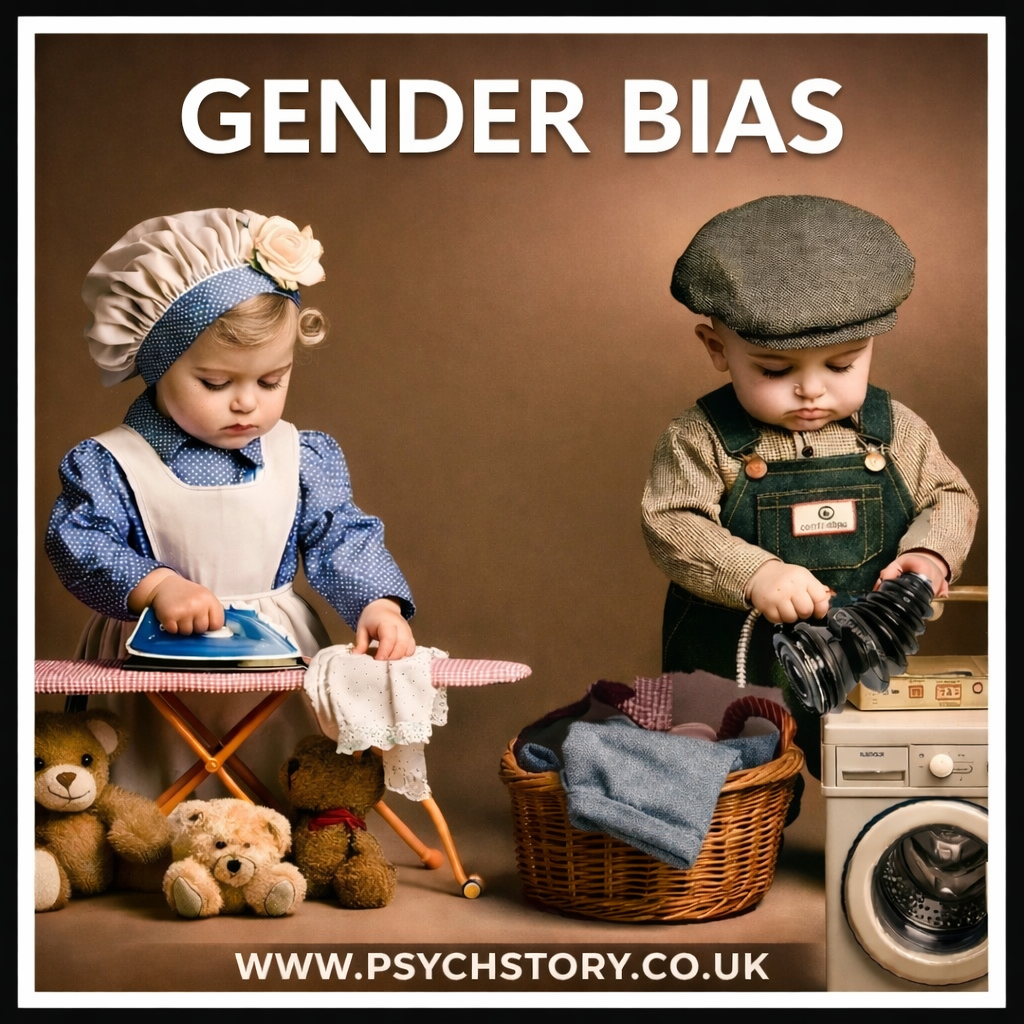
GENDER BIAS
Description: An analysis of gender bias in psychological research, focusing on androcentrism, alpha and beta bias, and the impact of male-centred theories on behaviour representation. Includes gynocentrism and esocentrism
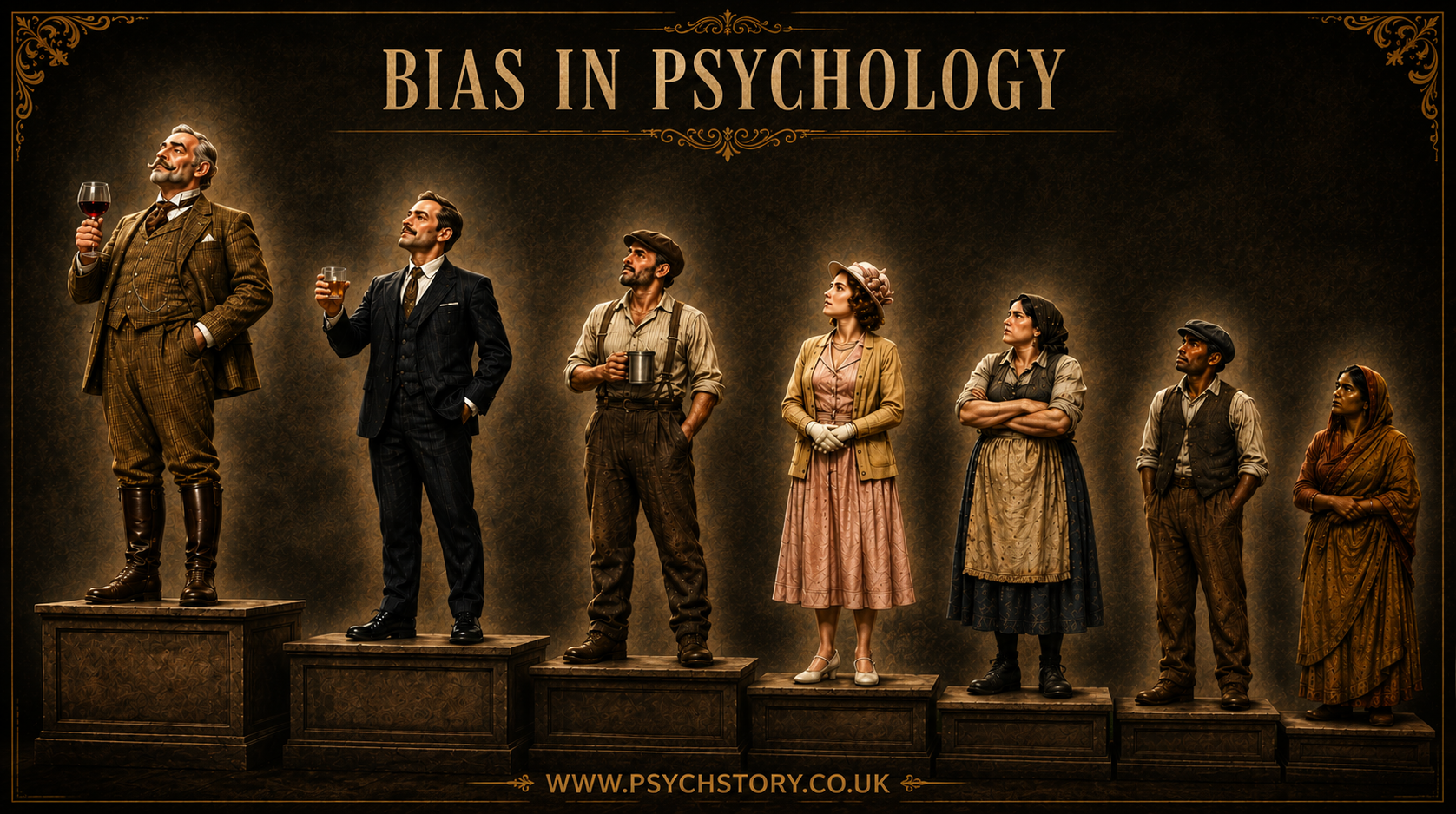
CULTURAL BIAS
Understand cultural bias in psychology, including ethnocentrism, cultural relativism, imposed etic and emic approaches, with examples and evaluation for A level

FREE WILL AND DETERMINISM:
A level psychology guide to free will versus determinism, including biological, environmental and psychic determinism, implications for responsibility, and evaluation with real-world examples.

THE NATURE VERSUS NURTURE DEBATE
NATURE VERSUS NURTURE
A level psychology guide to the nature versus nurture debate, including genetic and environmental influences, interactionism, heritability, and real-world examples with evaluation
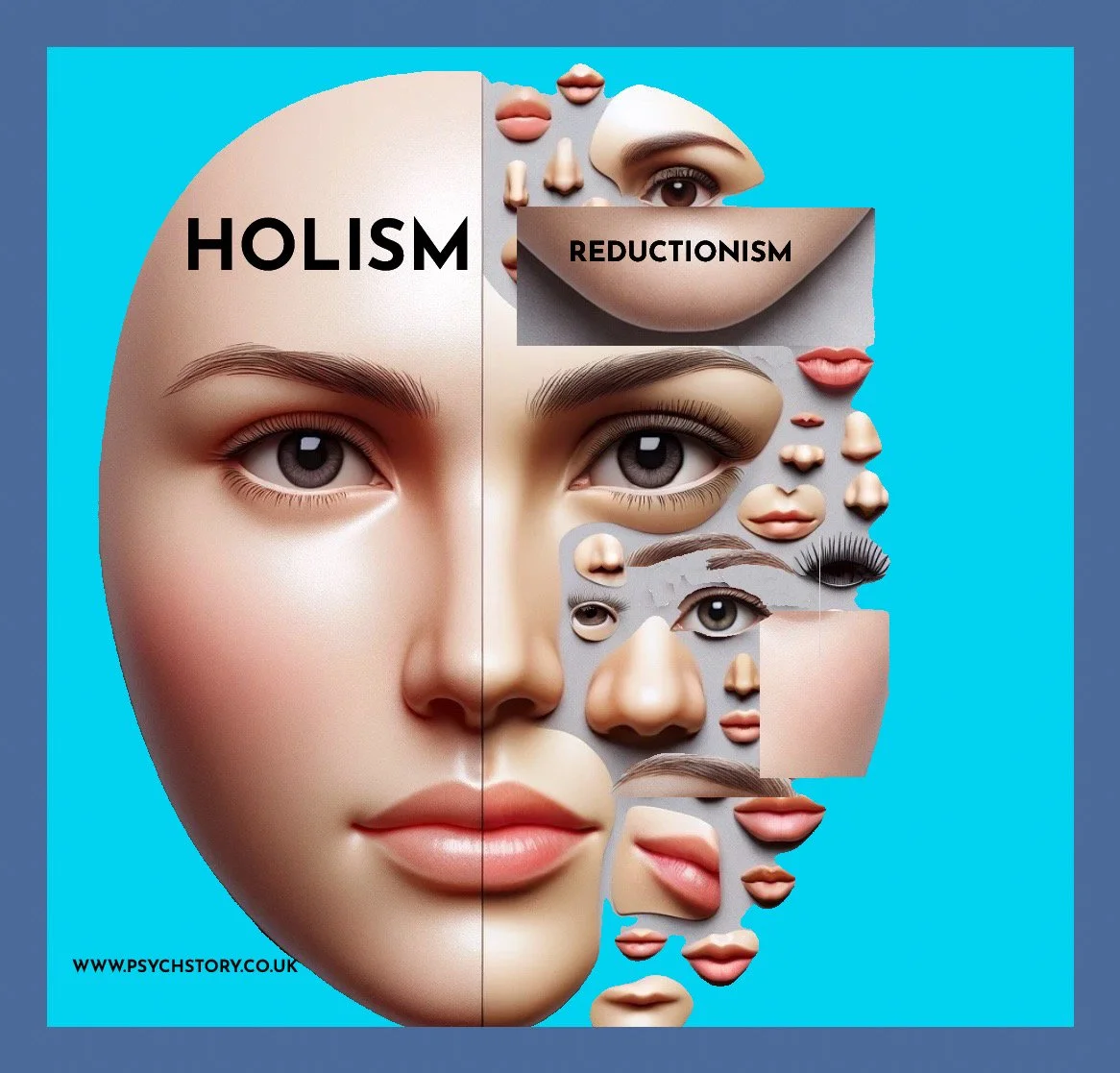
HOLISM AND REDUCTIONISM:
Explore the debate between holism and reductionism in psychology. Should behaviour be understood as a sum of its parts or as a whole, complex system? Reductionism breaks behaviour into biological (genes, neurochemistry) or environmental (stimulus-response) explanations, while holism considers the broader picture, including social and cognitive influences. Understanding these levels of explanation is key to interpreting psychological phenomena.
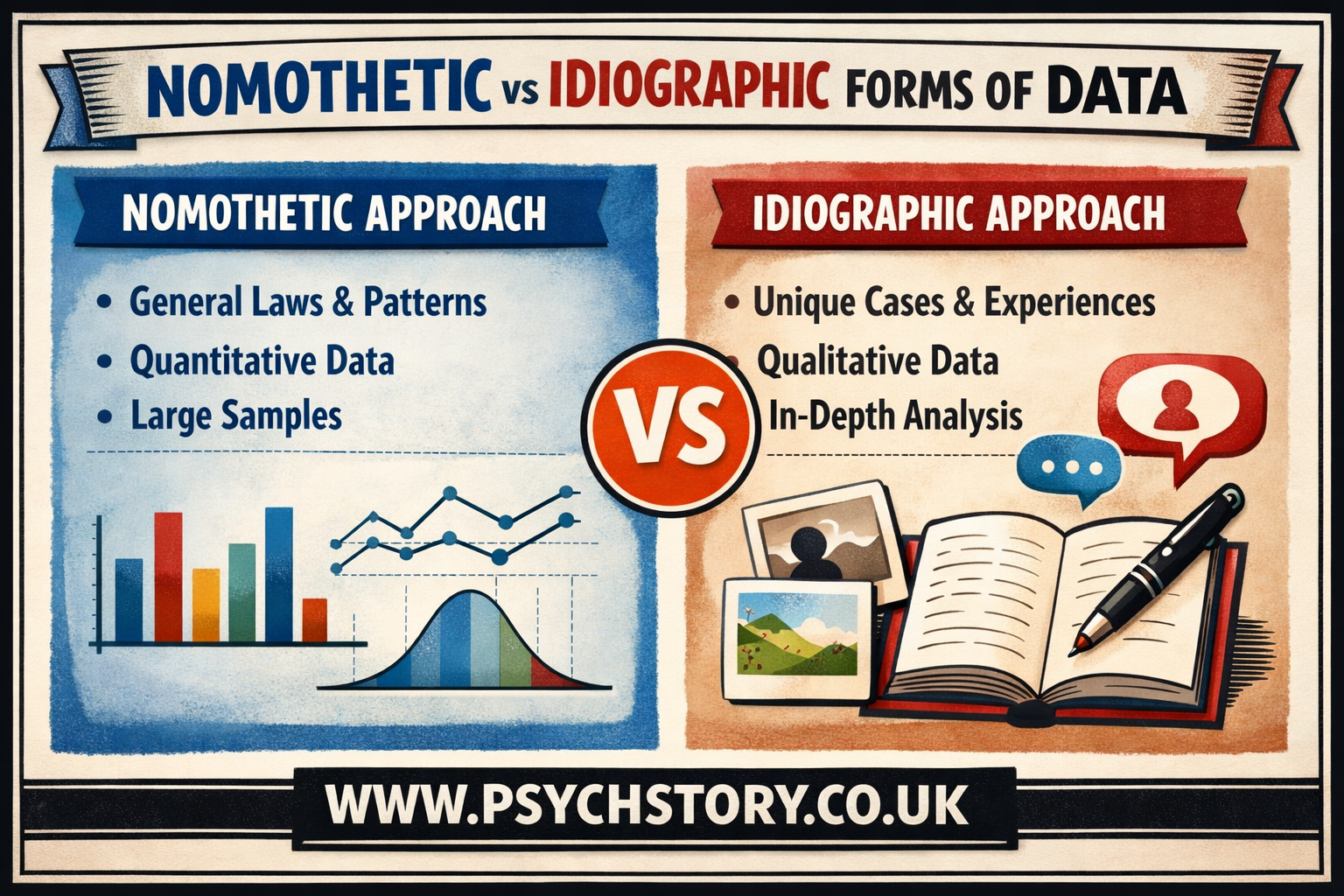
NOMOTHETIC VERSUS IDIOGRAPHIC
Understand the nomothetic approach and holism in psychology, including scientific laws, individual differences, reductionism, and levels of explanation with A level evaluation
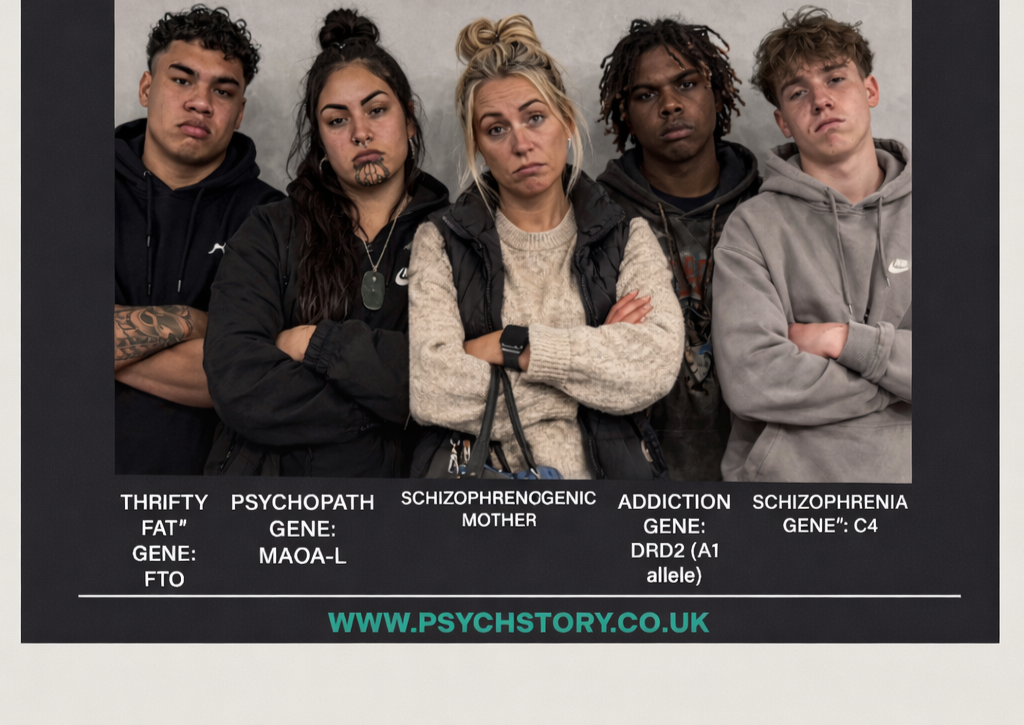
SOCIALLY SENSITIVE RESEARCH AND ETHICS
Explore socially sensitive research in psychology, including ethical risks, group harm, stigma, and key studies such as Hamer and Raine. Clear A-level explanation with evaluation