

RELIABILITY
Reliability refers to the consistency of a measure or study. Research is reliable if it produces the same results when repeated under the same conditions. Types include test retest reliability (consistency over time), inter rater reliability (agreement between observers), and internal reliability (consistency within a test). Reliability is improved through standardised procedures, clear operationalised variables, trained researchers, and replication.

INTRODUCTION TO SCIENTIFIC PROCESSES
What Is the Scientific Method? Understanding Its Role in Psychological Research.

AIMS, HYPOTHESES AND HOW TO WRITE THEM
Understanding Hypotheses in Psychology: Directional, Non-Directional, Null, Experimental, and Alternative Hypotheses.



CONTROL OF VARIABLES
SPECIFICATION: Variables: manipulation, control, including IVs, extraneous DVs, confounding, operationalization, random allocation, counterbalancing, randomisation, and standardisation.Demand characteristics and investigator effects.


PEER REVIEW
Understanding Peer Review: Safeguarding Integrity in the Scientific Process: Explore how peer review ensures the accuracy, validity, and credibility of psychological research, fostering advancements in the scientific community

IMPLICATIONS FOR THE ECONOMY
Psychology and the Economy: Exploring Real-World Impacts of Psychological Research. Discover how insights from psychological research influence economic decisions, enhance workplace productivity, improve mental health support systems, and effectively shape policies to address societal challenges.

VALIDITY
Validity in Psychological Research
Explore the importance of validity in psychological investigations. Validity refers to how accurately a test or study measures what it intends to measure. Internal validity assesses whether results are caused by the independent variable, while external validity considers whether findings can be generalised to real-life and broader populations. Face and concurrent validity assess whether measures are appropriate and match existing, validated tests. Validity is improved through clear operationalisation, controlled procedures, realistic settings, representative samples, and standardised instructions

KEY FEATURES OF SCIENCE
"The Key Features of Science: Foundations of Psychological Research"
Explore the essential elements that define scientific inquiry: empirical evidence, systematic theory construction, deductive and inductive reasoning, falsification, paradigm shifts, objectivity, cause-and-effect relationships, and the nomothetic approach. Discover how these principles underpin the credibility and advancement of psychological research.

THE RESEARCH REPORT
"How to Write the Research Report: A Step-by-Step Guide"
Learn how to structure a comprehensive research report, including each essential section: abstract, introduction, hypothesis, method, results, discussion, references, and appendices. Understand each part's purpose and key features to effectively communicate your findings and align with academic and professional standards..
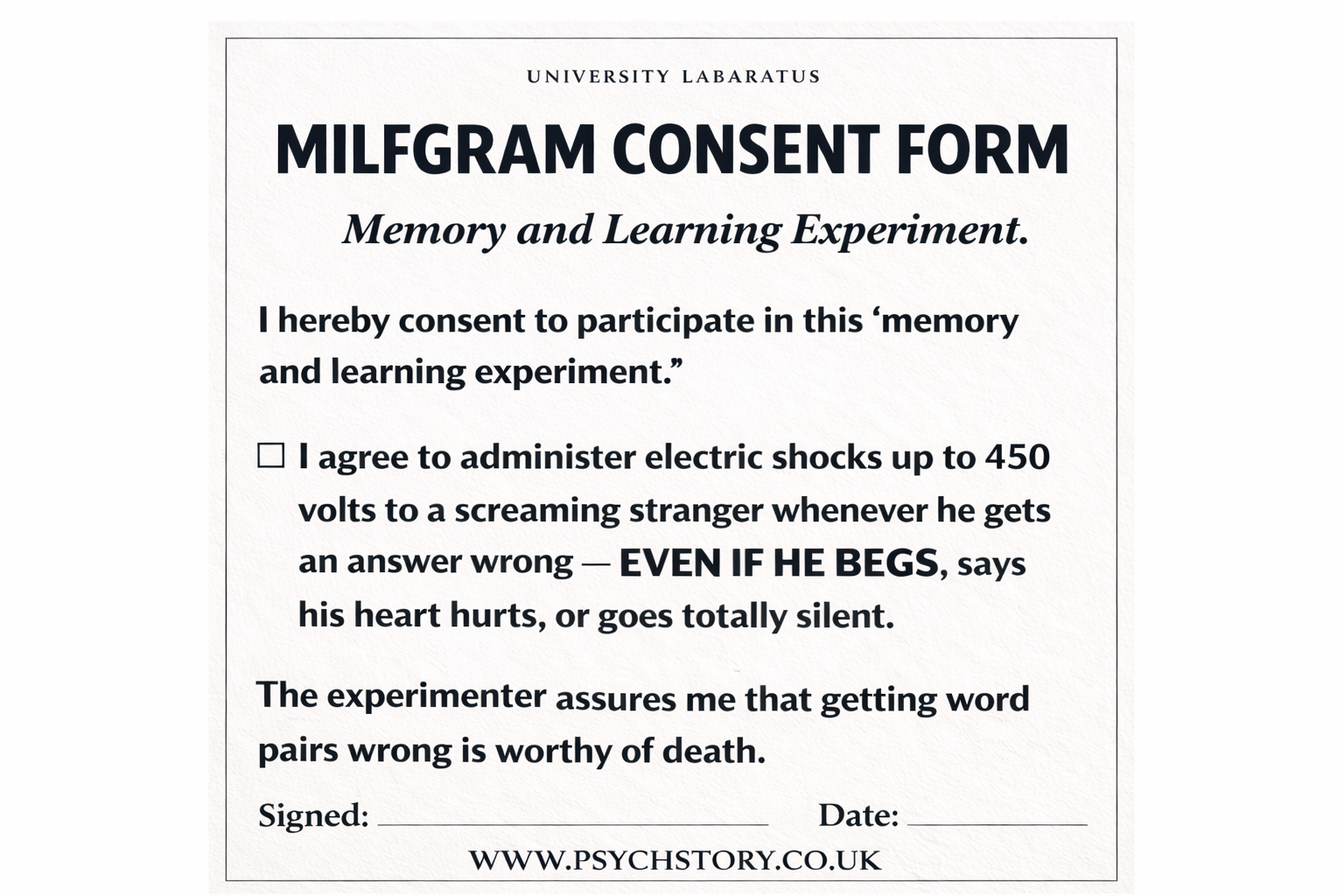
WRITING CONSENT FORMS AND DEBRIEFING
"How to Write Appendices for Research Reports"
Learn how to create professional appendices for your research reports, including key materials like participant adverts, consent forms, standardised instructions, and debriefing documents. Understand the importance of clear and ethical documentation to support your research findings and provide transparency in psychological studies.