SPECIFICATION FOR EVOLUTIONARY PSYCHOLOGY
Evolutionary psychology is a theoretical approach to psychology that attempts to explain useful mental and psychological traits—such as memory, perception, or language—as adaptations, i.e., as the functional products of natural selection
EVOLUTIONARY PSYCHOLOGY
KEY TERMS FOR EVOLUTIONARY PSYCHOLOGY
ACQUIRED TRAIT: A phenotypic characteristic acquired during growth and development that is not genetically based and, therefore, cannot be passed on to the next generation (for example, a weightlifter's large muscles).
ADAPTATION: Any heritable characteristic of an organism that improves its ability to survive and reproduce in its environment. Also used to describe the process of genetic change within a population, as influenced by natural selection.
ARTIFICIAL SELECTION: The process by which humans breed animals and cultivate crops to ensure that future generations have specific desirable characteristics. In artificial selection, breeders select the most desirable variants in a plant or animal population and selectively breed them with other desirable individuals. Artificial selection has produced the forms of most domesticated and agricultural species; it is also an important experimental technique for studying evolution.
REPRODUCTION:
Reproduction in living organisms can be broadly classified into two main types: sexual and asexual reproduction. Each type has its own methods and processes, and they differ significantly in terms of genetic diversity and the number of parents involved.
Sexual Reproduction:
Involves two parents.
Offspring have genetic material from both parents, leading to genetic diversity.
This process involves combining a sperm cell from the male parent and an egg cell from the female parent, forming a zygote.
Seen in many animals, plants, fungi, and some microorganisms.
Types of sexual reproduction:
Oviparous: Animals that lay eggs, with embryos developing outside the mother's body.
Viviparous: Animals that give birth to live young, with embryos developing inside the mother's body.
Ovoviviparous: A combination of the first two, where animals lay eggs, but they hatch inside the mother's body, and then she gives birth to live young.
Asexual Reproduction:
Involves only one parent.
Offspring are genetically identical to the parent (clones).
Does not involve gamete fusion.
Common in many plants, bacteria, and some animals.
Types of asexual reproduction:
Binary Fission: A single organism divides into two parts (common in bacteria).
Budding: New individuals grow on the parent organism and then detach (seen in yeasts and some invertebrates, such as hydras).
Fragmentation: The parent's body breaks into distinct pieces, each of which can develop into a new organism (common in starfish and some worms).
Vegetative Propagation: New plants grow from parts of the parent plant (like runners in strawberries, or tubers in potatoes).
Parthenogenesis: Development of an embryo from an unfertilized egg cell (seen in some insects, fish, and reptiles).
Spore Formation: Organisms produce spores that can develop into new individuals (common in fungi and some plants).
Each type of reproduction has its evolutionary advantages and is adapted to specific environmental conditions and survival strategies. Sexual reproduction is key for producing genetic variation, which is crucial for the adaptability and evolution of species. Asexual reproduction is often more rapid and less energy-intensive, allowing for fast population growth under favourable conditions.
BIPEDALISM: Walking on two legs as opposed to quadrupedalism, which is walking on four legs like monkeys
DNA: Deoxyribonucleic acid, a molecule in all cells and in many viruses that contains genetic codes for inheritance. When species reproduce sexually, each offspring inherits 50% of its DNA from each parent. However, genes can sometimes remain dormant, only expressing themselves when combined with other specific genes. This is especially true for recessive genes like those responsible for blue eyes or red hair. These genes only manifest if an individual inherits them from both parents. Additionally, genes can undergo mutations, which are random changes that affect an organism's physical traits and, sometimes, their behaviour.
ANCESTRAL ENVIRONMENT: ENVIRONMENT OF EVOLUTIONARY ADAPTIVENESS (EEA) This refers to the conditions and challenges that our human ancestors faced a long time ago. It's what shaped our physical and mental traits over time, such as why we're good at socialising or have certain body features. In both humans and other animal species, evolved behaviour patterns reflect the selective pressures of the ancestral environments. . A simpler term for EEA is perhaps ancestral environment if the term is understood to refer to the period when a behaviour evolved, not earlier or later times.
EVOLUTIONARY PSYCHOLOGY: Evolutionary psychology centres on a fundamental concept: all human behaviour fundamentally serves the dual objectives of survival and reproduction. In simpler terms, every action and characteristic of our species ultimately contributes to ensuring our survival and facilitating the propagation of our genes.
Within any species, including humans, there exists a natural variation among individuals. People are not identical, encompassing differences in both physical appearance and behaviour. A significant source of this variation arises from disparities in our genetic makeup, specifically our genes.
HIP-WAIST RATIO: It's about how the width of a person's hips compared to their waist can affect how attractive and healthy they seem to others. For example, some people might find an hourglass shape more attractive because it suggests good health for having babies.
GENOTYPE-PHENOTYPE DISTINCTION: This is about the difference between the information in our genes (like our DNA recipe) and how it actually shows up in our bodies and behaviour. It's like having a cookbook (genes) and the dishes you cook (your traits).
MATE CHOICE: The process of selecting a mate for reproduction is influenced by physical attractiveness, resources, and personality traits.
MUTATION: A mutation is a change or alteration in the DNA sequence of an organism's genome. DNA (deoxyribonucleic acid) is the genetic material that carries the instructions for the development, functioning, and reproduction of all living organisms.
Mutations can occur in various ways and may involve the deletion, insertion, substitution, or rearrangement of DNA base pairs (the building blocks of DNA). Mutations can occur naturally during DNA replication, due to environmental factors such as radiation or chemicals, or through genetic recombination during sexual reproduction.
NATURAL SELECTION: This process made certain traits more common in humans because they helped our ancestors survive and thrive. For example, we can form bonds and work together as a community. It's how, as humans, we have traits that helped our ancestors survive better in their environments. For instance, our intelligence and social skills allowed us to work together and adapt to different places. Another example to consider is our closest relatives, chimpanzees, who shared a common ancestor with us approximately 7-8 million years ago. Over time, as the environment underwent transformations and forests diminished, our ancestors adapted by adopting bipedalism, or walking on two legs. This adaptation proved advantageous in environments with fewer trees, contributing to their survival.
NEUTRAL SELECTIVE PRESSURE: These are things in our environment that don't really change how we look or act. Think of them as aspects that don't matter much in our evolution.
NOMADIC: It means being like early humans who didn't have permanent homes. They moved around to find food, shelter, and resources. This lifestyle affected our evolution and social behaviours.
PALEONTOLOGY: It's like being a detective who studies ancient life by examining the remains of early humans and their tools to learn how they lived and evolved.
PARENTAL INVESTMENT: The time, energy, and resources that parents invest in raising their offspring, explaining differences in mating strategies between males and females.
PARENT-OFFSPRING CONFLICT: The potential conflict of interest between parents and their offspring over resource allocation and reproductive strategies.
REPRODUCTIVE STRATEGIES: Behaviours and tactics individuals use to maximise their reproductive success, including mate selection and reproduction
REPRODUCTIVE FITNESS: It's about how well we reproduce and ensure our babies grow up healthy in our surroundings. Traits that helped with this, like being nurturing or strong, were favoured by evolution.
SELECTIVE PRESSURE: These are natural forces in our environment that made certain traits more common in our species because they helped us survive and reproduce. For example, our ability to communicate and cooperate with others.Selective Pressure Example - Predation: In an environment where early humans lived, there were various predators, such as large carnivores. Those individuals in the human population who could communicate and cooperate effectively had a better chance of survival. For instance, when a group of early humans encountered a predator, their ability to communicate warnings and coordinate their actions allowed them to fend off the threat more effectively. Over time, individuals with strong communication and cooperation skills were more likely to survive, reproduce, and pass these traits on to their offspring. As a result, these traits became more common in the human population due to the selective pressure imposed by predation. This demonstrates how selective pressure can shape the prevalence of specific traits within a species over generations.
SEXUAL DIMORPHISM: This means that in our species, males and females have physical differences. For instance, men tend to be taller and have more facial hair, while women often have wider hips for childbirth.
SEXUAL SELECTION: It's how we pick our partners based on certain qualities. For example, choosing someone because they are kind, intelligent, or physically attractive.
EVOLUTIONARY THEORY, SOCIOBIOLOGY, AND EVOLUTIONARY PSYCHOLOGY: Evolutionary Theory, Sociobiology, and Evolutionary Psychology are related fields that explore various aspects of evolution's influence on living organisms. Still, they differ in their specific focuses and approaches:
Evolutionary Theory:
Evolutionary theory, often referred to as the theory of evolution or simply evolution, is a fundamental concept in biology. It encompasses the broader idea that species change over time through natural selection, genetic mutation, and adaptation to their environments.
Evolutionary theory does not limit itself to studying human behaviour or psychology. Instead, it applies to all living organisms and provides a framework for understanding how the diversity of life on Earth has arisen.
While it forms the foundation for both sociobiology and evolutionary psychology, evolutionary theory is more of a general scientific framework than a specific field of study.
Sociobiology:
Sociobiology is a field that focuses on the biological basis of social behaviour in animals, including humans. It explores how evolutionary principles, particularly natural selection, have shaped social behaviours and structures.
One of the key ideas in sociobiology is that behaviours, such as cooperation, competition, and altruism, can be understood as strategies that enhance an individual's or a group's reproductive success.
Sociobiologists investigate the genetic and evolutionary underpinnings of social behaviours across various species and how they have evolved. Edward O. Wilson popularised this field in his book "Sociobiology: The New Synthesis."
Evolutionary Psychology:
Evolutionary psychology is a subfield of psychology that applies evolutionary principles to the study of human behaviour and cognition. It seeks to understand how human psychological traits and behaviours have evolved to increase our ancestors' chances of survival and reproduction.
Evolutionary psychologists investigate topics such as mate selection, parenting, aggression, cooperation, and cognitive processes like language acquisition and memory from an evolutionary perspective.
This field posits that many aspects of human psychology are adaptations that helped our ancestors navigate the challenges of their ancestral environments. It also considers the role of culture in shaping human behaviour.
In summary, evolutionary theory is the overarching concept that explains how species change over time. Sociobiology focuses on the biological basis of animal social behaviour, while evolutionary psychology applies evolutionary principles to understand human behaviour and cognition. These fields share the idea that evolution plays a crucial role in shaping the behaviour and traits of living organisms, but differ in their specific scopes and approaches.
EVOLUTIONARY THEORY
Evolutionary theory, developed primarily by Charles Darwin and Alfred Russel Wallace in the mid-19th century, is a scientific framework that explains how species change and diversify over time. It's based on the idea that life on Earth has evolved through a process called natural selection. This theory explores how organisms adapt to their environments, leading to the development of new species and the incredible diversity of life we see today. In a nutshell, evolutionary theory, born in the 19th century, provides a comprehensive explanation for the origin and development of the vast array of life forms on our planet.
In the animal kingdom, all creatures require essential resources such as food, water, mates, and territories for survival. However, these resources are often limited, leading to competition among individuals. This competition can result in the survival of those with advantageous genetic mutations. For example, an animal struggling to reach high leaves for food might benefit from a genetic mutation that grants it a longer neck, similar to giraffes. If this mutation enhances the animal's ability to survive and reproduce, it can be inherited by its offspring.
Over an extended period, often spanning thousands of years, these distinctive mutations can become permanent traits within a species. This process is commonly referred to as evolution, involving gradual changes in the genetic makeup of existing species due to natural selection. Ultimately, these changes can lead to the emergence of entirely new species.
Consider our closest relatives, chimpanzees, as an illustrative example. Genetic studies reveal that humans and chimpanzees shared a common ancestor around 7-8 million years ago, which lived in the African rainforest. Over time, this common ancestor's descendants diverged into two separate lineages: one leading to chimpanzees and another to humans. These divergences occurred due to different environmental pressures.
It is believed that the human lineage developed routine bipedalism, the act of walking on two legs, as a survival strategy when climate changes transformed the forested environment into an open savannah-like terrain with minimal trees. This new environment posed challenges for our ancestors, who came down from the trees to live on the ground. Those early ancestors that had mutations that favoured bipedalism had a distinct advantage in navigating this terrain.
Evolution shapes the brain's structure, and neuroscience investigates this architecture. The fundamental principle of evolutionary theory is that every behaviour, whether cognitive, behavioural, or sexual, persists because it offers a survival or reproductive advantage. Contrary to common misconceptions, species do not choose their adaptations; environmental pressures, not conscious decisions, dictate natural selection.
Evolution stands as one of the central concepts in biology.
NATURAL SELECTION
Natural selection, a fundamental concept in evolutionary biology, is the process through which certain traits or characteristics within a population change in frequency over generations in response to environmental pressures. It is a critical factor in explaining the diversity and complexity of life on Earth, as it describes how species adapt to changing environmental conditions and, in some cases, give rise to new species.
It's important to emphasise that natural selection acts on the existing genetic variations within a population, rather than creating entirely new traits. It favours traits that provide individuals with advantages, increasing their chances of survival and reproduction in their specific environment. This gradual and ongoing process shapes the evolution of species over time.
Here is how it works:
Variation: Within any population of organisms, there is natural genetic variation. Individuals within a species can have different traits due to genetic differences.
Competition: Resources in the environment, such as food, water, and mates, are often limited. This leads to individual competition for these resources, as not all can survive and reproduce.
Differential Reproduction: Some individuals in the population possess traits that make them better suited to survive and reproduce in their specific environment. These advantageous traits are more likely to be passed on to the next generation because individuals with these traits are more likely to reproduce and have offspring.
Heredity: Offspring inherit their traits from their parents through the transmission of genetic information. If an advantageous trait increases an individual's chances of survival and reproduction, it will likely be passed on to future generations.
Adaptation: Over time, as natural selection continues, the frequency of advantageous traits in the population increases, while the frequency of disadvantageous traits decreases. This results in the population becoming better adapted to its specific environment.
Individuals with advantageous traits, often stemming from beneficial mutations, stand a better chance of surviving and reproducing.
Over an extended period, typically spanning thousands of years, these advantageous traits gradually become permanent characteristics of the species. This phenomenon is what we define as natural selection. It encapsulates the enduring process through which species adapt and change in response to the demands and challenges of their environments. Within any given species, individual members share numerous common traits, yet they are never exact replicas of one another. This inherent diversity is a fundamental catalyst for evolution, arising through several mechanisms.
VARIATION AND MUTATIONS: THE WELLSPRING OF NOVELTY
As environments shift and novel challenges emerge, genetic diversity equips species to respond and flourish in these altered circumstances. At the heart of this transformative journey lies the phenomenon of mutations.
Within most species, there is variation: for example, people are not all identical either in appearance or behaviour. Part of this variation is caused by differences in an individual’s genetic makeup (genetic variation). In sexually reproducing species, 50 per cent of DNA is inherited from each parent. Genes (strands of DNA) may not always be ‘switched on’, some are expressed only if they are combined with other genes (e.g., recessive gene - blues eyes are a recessive gene as is red hair, these genes cannot be expressed unless both parents carry the particular recessive gene). Some genes may also undergo mutation (a random change that affects the animals’ anatomy and, later, some aspects of their behaviour). Most mutations are harmful; the individuals concerned are unlikely to reproduce and pass the mutated gene onto their offspring. But sometimes a mutant gene benefits individuals and helps them cope with selective pressure.
Mutations, which are spontaneous alterations in an organism's DNA, serve as the wellspring of novelty. They give rise to new alleles of genes, introducing fresh traits and characteristics into a population.
Moreover, when mutations manifest in the DNA transmitted to the next generation, they become an integral part of the species' inheritance. This ensures that genetic changes persist and resonate within subsequent populations.
In species that engage in sexual reproduction, the genetic legacy of offspring is a unique blend of their parents' alleles. This genetic amalgamation results in offspring possessing diverse genetic profiles, further enriching the tapestry of variation within a population.
Thus, the symphony of variation, mutations, and inheritance propels the fascinating journey of evolution and shapes the diversity of life on our planet.
Certain environmental factors can increase the rate of mutation. These factors include:
UV Radiation: Ultraviolet (UV) radiation from the sun is a natural source of mutation-inducing energy. Prolonged exposure to UV radiation can damage an organism's DNA, potentially leading to mutations.
X-rays and Gamma Rays: High-energy forms of electromagnetic radiation, such as X-rays and gamma rays, have mutagenic properties. Exposure to these rays, often in medical or industrial settings, can elevate mutation rates.
Chemicals like Bromine: Some chemicals, like bromine and certain industrial compounds, can act as mutagens. These substances can interact with DNA, causing structural changes that result in mutations. A mutation is a random change to genetic material. In the mutation shown below, a section of DNA, three base pairs long, has been lost. DNA contains genes that carry instructions for the manufacture of a protein. If a mutation in a gene results in a change in the DNA base sequence, the structure of the protein may also be altered. This could alter an individual's phenotype.
Mutation and Its Effects on Survival and Reproduction:
While most mutations are harmful and reduce an individual's chances of reproducing and passing on the mutated gene, occasionally a mutation can be beneficial. This is especially true when it helps an individual cope with the challenges of their environment.
Advantageous Mutation: An example of an advantageous mutation is the development of lactose tolerance in some human populations. This mutation allows individuals to digest lactose from milk, providing them with an advantage as a food source in certain environments.
Disadvantageous Mutation: Sickle cell anaemia is an example of a disadvantageous mutation. When an individual carries two copies of the mutant allele for haemoglobin, they develop this condition, which can reduce their lifespan and overall health.
Neutral Mutation: Some mutations have a neutral effect on an individual's ability to survive and reproduce. These mutations neither provide an advantage nor impose a disadvantage.
No Change Mutation: In some cases, mutations occur without altering an individual's ability to thrive. These mutations have no significant impact on an individual's survival or reproductive success.
One notable example of the complex interplay between advantageous and disadvantageous traits arising from mutations is sickle cell anaemia. While having sickle cell anaemia is a disadvantage due to the health complications it causes, carrying a single copy of the mutant allele (sickle cell trait) can be advantageous in regions where malaria is prevalent. Individuals with the sickle cell trait are less likely to contract severe malaria, thereby conferring a survival advantage in these areas. This illustrates how the effects of mutations can vary depending on the environment and selective pressures.
THE ENVIRONMENT OF EVOLUTIONARY ADAPTIVENESS (EEA)
The idea that all human behaviour originated in the ancestral environment is a hypothesis proposed within the framework of evolutionary psychology. The ancestral environment concept suggests that many of the psychological and behavioural traits observed in modern humans are rooted in the challenges and environmental conditions faced by our ancestors over millions of years of evolution. Proponents of the EEA environment hypothesis argue that the selective pressures and demands of this ancestral environment shaped the cognitive and psychological mechanisms that guide human behaviour today.
The correct name for our ancestral environment is "The Environment of Evolutionary Adaptedness," often called EEA it was introduced by John Bowlby, a prominent figure in attachment theory. It has led to some confusion and debate. It's crucial to grasp that the EEA doesn't refer to a specific historical time or location. Instead, it denotes the environment in which a particular species evolved and developed its distinct traits in response to environmental and reproductive pressures.
Thus, the EEA is a hypothetical setting in which early human ancestors lived and adapted. It is associated with the Pleistocene epoch, which lasted from about 2.5 million years ago to around 11,700 years ago.
Prevailing scientific thought suggested that early hominins, the ancestors of modern humans, primarily inhabited woodlands, gallery forests, and grasslands rather than dense jungles or tropical rainforests. DNA studies show that biologically modern humans emerged from a small group of approximately 1,000 individuals who lived about 100,000 years ago. The population bottleneck (ours was an endangered species at the time) made the human race genetically uniform. Geneticists say there is less variation between the DNA of humans from opposite ends of the earth than there is between gorillas or chimps from adjacent patches of jungle. The reason is that gorillas and chimpanzees experienced no population bottleneck in their recent evolutionary past, so their populations have had more time to accumulate random genetic variation. Humans, by contrast, are all very similar in their DNA.
For homo sapiens, the EEA was 125,000 years or so.
The exact habitats of early hominins remain subjects of research and debate within the scientific community. It is generally believed that our ancestors lived in diverse environments, each presenting distinct challenges and resources.
The transition from these diverse habitats to the savanna, as proposed by the savanna hypothesis, is thought to have been driven by environmental changes, including shifts in climate and vegetation. Over time, parts of East Africa transformed into more open grasslands and savannas due to changes in rainfall patterns and the expansion of savanna vegetation.
Early hominins may have migrated from woodlands or other environments to the emerging savanna for various reasons, including:
Food Sources: The savanna environment provided a range of food sources, including grasses and herbivores, which may have been more accessible to early hominins.
Predator Avoidance: The open savanna landscape could have provided improved visibility, enabling hominins to detect predators from afar and take evasive actions.
Thermoregulation: The savanna's open terrain might have led to greater temperature fluctuations, favouring traits such as sweating and bipedalism (walking upright) to better manage heat.
Tool Use: The transition to the savanna may have prompted the development of tools for hunting and scavenging, as well as a need for carrying items.
Even if these species inhabited the same geographic areas in the past, their respective "classrooms," or EEAs, were distinct, teaching them specific skills and strategies for survival. Humans and chimpanzees attended distinct "classrooms" within their respective EEAs due to distinct environmental pressures.
Humans: In their EEA, humans faced unique challenges. Unlike some other animals, they lacked hunting attributes, such as the physical prowess to chase down runners, swim efficiently, fly, or rely on natural weaponry, such as sharp teeth or claws, to capture prey. Instead, humans evolved intelligence as a key adaptation. This intelligence allowed them to outwit animals, develop tools, and employ complex strategies for hunting and gathering. Their ability to plan, communicate, and cooperate gave them a competitive edge.
Chimpanzees: Chimpanzees, on the other hand, evolved different adaptations within their EEA. They did not need to be as intelligent as humans for hunting because they relied on alternative strategies. Chimpanzees developed a photographic memory and remarkable pattern recognition abilities. They can memorise complex patterns and quickly adapt to their surroundings, which helps them locate food sources, such as ripe fruit or nuts. Their physical strength and agility also make them adept climbers, allowing them to access valuable resources in trees.
Essentially, the EEA encapsulates the cumulative experiences and adaptations that shaped a species over extended periods, defining what it is today. This concept closely resembles the idea of a "niche" in evolutionary biology, emphasising the unique roles and challenges each species faces in the grand tapestry of life.
WHY COULD HUMANS NOT EVOLVED MUCH DURING THE PAST 200 THOUSAND YEARS
One question people often ask about evolutionary theory is whether humans could have evolved over the past 200,000 years within the Environment of Evolutionary Adaptedness (EEA). The answer is that they have evolved a bit, but not significantly. Humans have undergone minor cognitive adaptations, known as co-evolution, during the Holocene. For example, some populations, whose subsistence relied on herds of domesticated animals, evolved the ability to digest lactose as adults. Other populations have developed simple cognitive adaptations that some of their hunter-gatherer ancestors did not possess, such as the thrifty gene, alcohol flush syndrome, and variations in skin colour affecting vitamin D absorption rates.
Many people mistakenly believe that the traits that evolved in our ancestral environments only apply to things that happened differently in the past. However, for most living species, the environment they experienced in the past is quite similar to what they face today. Significant differences between their current and past environments can be problematic, potentially even leading to a species' extinction, because the skills and traits that were advantageous in the past may not be well-suited for survival and reproduction in the new environment.
Despite modern physical health challenges such as obesity, declining mental health, and excessive smartphone use, the human species is unlikely to undergo significant evolutionary changes unless these issues threaten survival or reproduction. For instance, although clinically obese individuals might have shortened life spans, they still survive long enough to reproduce. Major evolutionary shifts typically require cataclysmic events that severely affect human survival and reproduction, leading to the selection of specific traits or behaviours, as hypothesised, for example, in scenarios where severe starvation favours individuals with efficient fat-storage genes.
Even though organised agriculture began relatively recently, about 10,000 to 20,000 years ago, cultural change occurs much faster than biological change. Most fundamental human behavioural characteristics were already established when humans began domesticating plants and animals. Most evolutionary psychologists believe the dominant social environment shaping human evolution was the older, nomadic, hunting-and-gathering way of life.
For new variations to occur, there would have had to have been environmental conditions that were (1) new, (2) constant over most of the Holocene, (3) relevant to reproduction, and (4) required novel cognitive abilities. Many of the changes experienced by humans over the Holocene, however, have been so rapid that natural selection couldn't keep up. Further, we know that very little has changed physiologically in the last 10,000 years—Australian aborigines were more or less isolated from other populations for perhaps 40,000 years, yet are essentially identical physiologically to other human populations, so probably very little has changed psychologically. Scientifically, 10,000 years (equivalent to about 500 generations) is not much time for significant natural selection to act, and it certainly is not enough time to evolve new, complex adaptations—sophisticated mechanisms coded for by numerous genes.
MISMATCHES
GENES LOAD THE GUN, THE ENVIRONMENT PULLS THE TRIGGER
Since an organism's adaptations were suited to its ancestral environment, a new and different environment can create a mismatch. Because humans mostly adapt to Pleistocene environments, psychological mechanisms sometimes exhibit "mismatches" to the modern environment. One example is the fact that although about 10,000 people are killed with guns in the US annually, whereas spiders and snakes kill only a handful, toddlers seem biologically equipped to learn to fear spiders and snakes and not pointed guns or rabbits or flowers. A potential explanation is that spiders and snakes threatened human ancestors throughout the Pleistocene, whereas guns (and rabbits and flowers) did not. There is thus a mismatch between our evolved fear-learning psychology and the modern environment.
Another example of a mismatch that was once advantageous in the EEA but causes detriment in modern Westernised societies is greediness, which aligns with the colloquial notion that "genes load the gun and the environment pulls the trigger.
"Genes load the gun, the environment pulls the trigger" concept with a focus on obesity:
"Genes load the gun" through the Thrifty Gene Hypothesis: Evolutionarily, humans developed a genetic predisposition for storing excess calories as fat to survive periods of food scarcity. This concept is known as the "thrifty gene hypothesis." Certain genetic variations may make individuals more efficient at storing energy as fat, which could have been advantageous during times when food was unpredictable.
"The environment pulls the trigger" with 24/7 food availability and our naturally selected desire for sugar and overeating: In today's modern environment, access to food is constant and often rich in high-calorie, sugary, and processed options. These environmental conditions significantly differ from the food scarcity our ancestors faced. Our natural preference for sweet, high-calorie foods, which evolved as an advantage for identifying energy-rich sources in nature, can lead to overconsumption of these readily available foods.
So, in the context of obesity, genes "load the gun" by providing individuals with genetic traits that favour efficient calorie storage, a trait advantageous in ancestral environments with intermittent food supply. However, the modern environment "pulls the trigger" by offering continuous access to energy-dense foods and tempting our innate desire for sugars and overeating. This interaction between our genetic heritage and the contemporary environment contributes to the rising prevalence of obesity, illustrating the dynamic interplay between genes and the environment in shaping our health outcomes.

EVOLUTION AND LOVE
The query about why humans possess the capacity to love is answered within evolutionary theory: Love serves as a mechanism for reproduction. In the grand scheme of evolution, the continuity of species hinges upon reproduction, making it a pivotal aspect. Given that mating is the ultimate objective, romantic love serves as a facilitator of it.
Failure to engage in romantic love and establish bonds with partners diminishes the likelihood of forming lasting relationships. Without such connections, the task of caring for offspring becomes uncertain. Casual and polygamous sexual encounters would prevail, leading to elevated mortality rates among infants and mothers due to the absence of paternal care, protection, and provision. Paternity itself would become ambiguous, with fathers lacking knowledge of their offspring.
Species exhibiting romantic love typically require male involvement in child-rearing. Human females, for instance, face considerable challenges in safeguarding themselves and their offspring from threats while pregnant or nursing. Additionally, tasks such as hunting and gathering become arduous during these times. Hence, romantic love emerges as an evolutionary adaptation with both survival and reproductive advantages, necessitating its persistence beyond the act of reproduction.
Contrarily, female cats and dogs do not form enduring bonds with the fathers of their offspring. Their self-sufficiency in parenting allows them to rear their young independently. Consequently, their relationships with male counterparts revolve around fleeting, emotionless encounters without lasting attachment.
Expanding on this notion, the love and attachment parents display towards their offspring have their roots in evolutionary imperatives, as elucidated by Bowlby's attachment theory. Notably, many animals and most plants exhibit no caregiving behaviours towards their young. Those species that do necessitate parental care typically do so because extended development confers a survival advantage. This additional time allows for either physical growth or the acquisition of crucial behaviours from parents, optimising resource allocation towards a select few offspring rather than dispersing resources among many. The evolutionary rationale behind this lies in genetic preservation; animals share 50% of their genes with each offspring, hence the absence of genetic coding for parental care behaviours would lead to species demise. Any animal failing to provide care for offspring with such needs would have faced extinction.
Fish, for instance, forego attachment to their offspring precisely because their young are inherently self-sufficient. In stark contrast, human infants enter the world as among the most vulnerable, necessitating extensive and prolonged parental care for survival. Thus, love and attachment can be construed as adaptive traits imbued with both survival and reproductive advantages.
In human biology, the chemicals vasopressin and oxytocin play pivotal roles in facilitating romantic love, a trait shared by humans and approximately 3% of other mammalian species. These biochemicals are instrumental in memory formation and social recognition, and their release, alongside dopamine, is heightened during sexual activity. This interplay of neurotransmitters—dopamine inducing pleasure, oxytocin fostering attachment, and vasopressin promoting social recognition—engenders a learned behaviour akin to addiction towards one's partner.
Moreover, these same biochemicals likely influence familial love, such as the bond between parent and child or among siblings. Notably, oxytocin's role in parental bonding is underscored by its release during childbirth and its involvement in lactation.
In sum, the experience of love nurtures relationships conducive to reproduction and sustains bonds with offspring, thereby perpetuating the cycle of life.
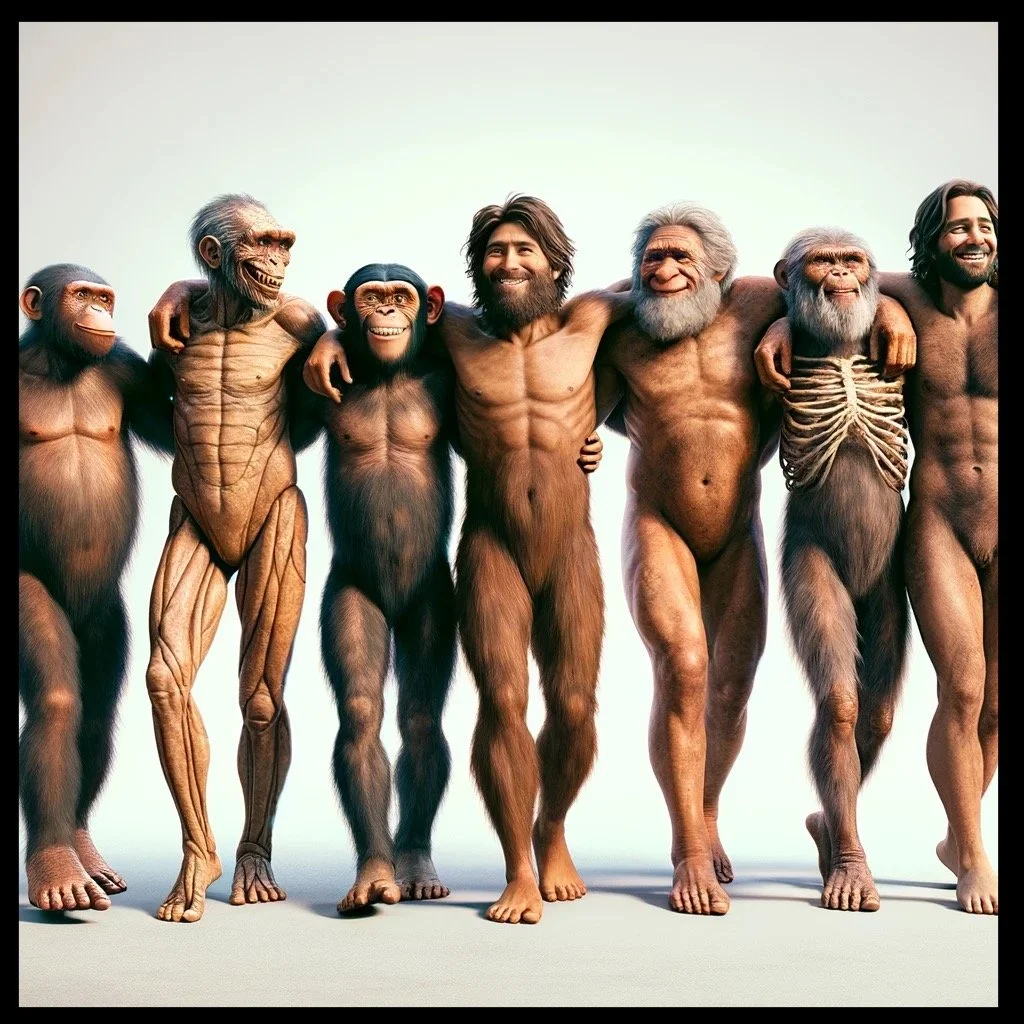
A TIMELINE OF THE ORIGINS OF MAN AND HIS ACHIEVEMENTS
13.8 Billion Years Ago: The Big Bang.
5 Billion Years Ago: Formation of the solar system and Earth.
4.5 Billion Years Ago: Earth's oceans and atmosphere form.
4 Billion Years Ago: Earliest life appears as protocells; evolution of simple life forms.
3 Billion - 500 Million Years Ago: Development of multicellular life, Cambrian Explosion.
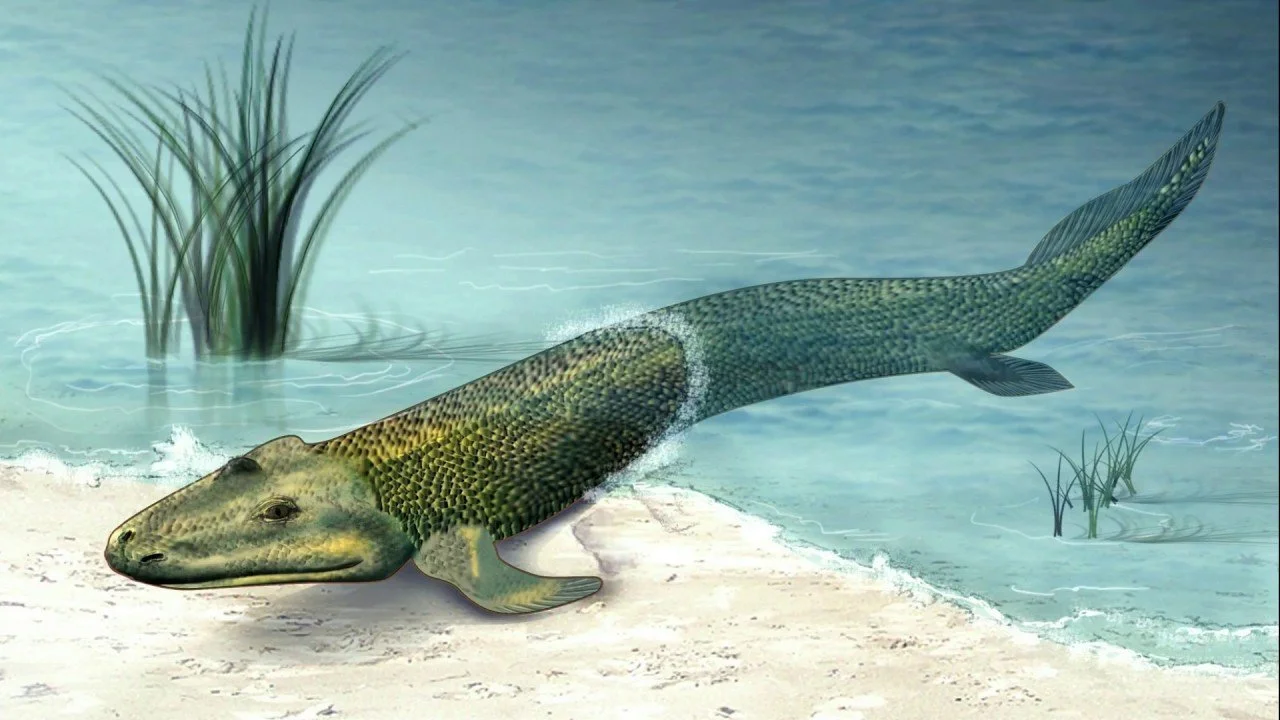
Due to their common ancestry, the brains of all Tetrapods share a similar basal architecture established early in evolution.
500 - 400 Million Years Ago: Transition of life from water to land; emergence of plants, insects, and tetrapods. The term Tetrapod refers to four-limbed vertebrates, including humans. One of the most significant events in the history of life was the evolution of fish into Tetrapods, which crawled out of the water and eventually conquered land. Vertebrate evolution took a crucial turn when Tetrapods eventually gave rise to three major groups of animals: reptiles, birds (an evolutionary offshoot of reptiles) and mammals.
320 Million Years Ago: Tetrapods evolve; vertebrate evolution leads to reptiles, birds, and mammals.
245 Million Years Ago: Mesozoic Era begins; the age of dinosaurs.
7-4 Million Years Ago: First gorillas evolve.
5.5 Million Years Ago: Ardipithecus, an early proto-human, emerges.
5 Million Years Ago: Chimpanzee and human lineages diverge.
4 Million Years Ago: Australopithecines appear.
3.2 Million Years Ago: Lucy, Australopithecus afarensis.
2.7 Million Years Ago: Paranthropus emerges.
2.5 Million Years Ago: Homo habilis appears; use of stone tools begins.
2 Million Years Ago: Homo ergaster evolves.
1.8 Million - 1.5 Million Years Ago: Homo erectus found in Asia.
1.6 Million Years Ago: First sporadic use of fire.
600,000 Years Ago: Homo Heidelbergensis.
500,000 Years Ago: Earliest evidence of purpose-built shelters.
400,000 Years Ago: Early humans hunted with spears.
325,000 Years Ago: Oldest human footprints in Italy.
280,000 Years Ago: First complex stone blades.
230,000 Years Ago: Neanderthals appear.
195,000 Years Ago: Homo sapiens appear.
170,000 Years Ago: 'Eve' may have lived in Africa.
150,000 Years Ago: Early speech and symbolism in humans.
140,000 Years Ago: Evidence of long-distance trade.
110,000 Years Ago: Earliest beads and jewellery.
100,000 - 50,000 Years Ago: Ancestor worship, animism, totemism.
33,000 Years Ago: Oldest cave art.
30,000 Years Ago: Shamanism practised.
18,000 Years Ago: Homo floresiensis in Indonesia.
12,000 Years Ago: Paganism; humans reach the Americas.
10,000 Years Ago: Agriculture develops; first villages; possible domestication of dogs.
6,000 Years Ago: Sumerian civilisation in Mesopotamia.
5,500 Years Ago: End of Stone Age, start of Bronze Age.
5,000 Years Ago: Earliest writing; the rise of state societies.
4,000 Years Ago: Rise of mythology; Moses in Judaism.
3,200 Years Ago: The Iron Age begins.
2,600 Years Ago: Thales of Miletus; early natural philosophy.
2,500 Years Ago: Buddha's teachings.
2,400 Years Ago: Advancements in sailing; early Greek philosophy.
2,000 Years Ago: Jesus of Nazareth; transformation of spiritual thought.
1,600 Years Ago: Gunpowder developed.
1,500 Years Ago: Hellenism; fusion of cultures and beliefs.
1,400 Years Ago: Muhammad establishes Islam.
1,000 Years Ago: Windmills, compasses.
800 Years Ago: Thomas Aquinas' influence.
500 Years Ago: Copernicus' heliocentric model; Renaissance era.
400 Years Ago: Sikhism; empirical science.
300 Years Ago: Enlightenment; steam technology.
200 Years Ago: Existentialist philosophy; logical analysis.
150 Years Ago: Romanticism in art and culture.
100 Years Ago: Einstein's relativity; Freud's psychoanalysis.
70 Years Ago: Rockets; television.
60 Years Ago: Computers; nuclear power.
40 Years Ago: Post-modernism; spaceflight; personal computing.
20 Years Ago: Simulation theory; CRISPR; AI development